

Introduction
Demodex mites are microscopic parasites that naturally live within human hair follicles and sebaceous glands. While low numbers are considered normal, excessive proliferation of Demodex mites can contribute to various skin and eyelid conditions, including rosacea, blepharitis, folliculitis, and chronic facial irritation. Effective Demodex treatment and understanding of Demodex Topical Therapies is crucial for managing these conditions.
When Demodex overgrowth is suspected or confirmed, Demodex Topical Therapies are often the first line of treatment. These treatments aim to reduce mite populations, improve skin health, and relieve inflammation associated with Demodex infestation.
This article explores the most commonly used topical therapies for Demodex management, specifically Demodex Topical Therapies, and how they work, emphasizing the need for Demodex treatment in skincare routines.
Why Topical Treatments Are Important
Demodex mites primarily reside in hair follicles and sebaceous glands near the skin surface. Because of their location, topical therapies can directly target areas where mites live and reproduce.
Benefits of topical treatment include:
- Direct action against mites
- Reduced skin inflammation
- Improved symptoms
- Better tolerance than some systemic medications
- Convenient home use
In many cases, topical therapies form the foundation of a comprehensive Demodex management plan.
Tea Tree Oil and Terpinen-4-ol
Tea tree oil is one of the most widely studied natural treatments for Demodex mites.
Its active component, terpinen-4-ol (T4O), has demonstrated acaricidal activity against Demodex in laboratory studies.

Potential benefits include:
- Reduction of mite populations
- Improved eyelid hygiene
- Decreased itching and irritation
- Support for blepharitis management
Many commercial eyelid cleansers and wipes specifically contain terpinen-4-ol rather than whole tea tree oil because it may be better tolerated.
Important Note
Undiluted tea tree oil may cause skin irritation and should only be used according to product instructions or medical guidance.
Ivermectin Cream
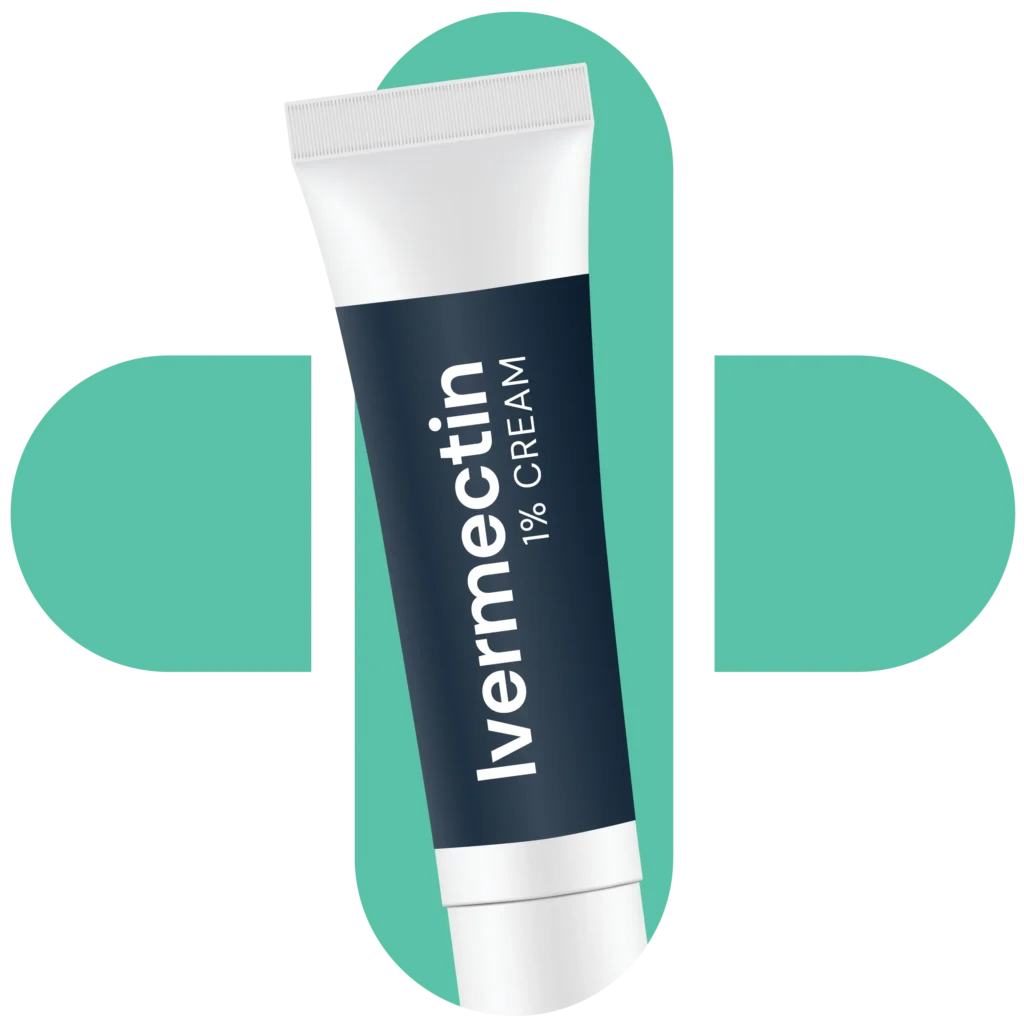
Topical ivermectin has become a common treatment option for patients with rosacea associated with Demodex overgrowth.
Ivermectin may help by:
- Reducing Demodex density
- Decreasing inflammation
- Improving redness and papules
- Supporting long-term symptom control
Several studies have demonstrated significant improvements in rosacea symptoms following topical ivermectin therapy.
Metronidazole
Metronidazole has long been used in rosacea treatment.
Although it is not primarily a mite-killing agent, it may help by reducing inflammation associated with Demodex-related skin disorders.
Potential benefits include:
- Reduced facial redness
- Decreased inflammatory lesions
- Improved skin comfort
Metronidazole is often used alongside other therapies when inflammation is a major concern.
Permethrin Cream
Permethrin is a topical antiparasitic medication that has been used against various mite infestations.
For Demodex management, permethrin may:
- Reduce mite populations
- Improve inflammatory symptoms
- Support treatment of resistant cases
Because skin sensitivity can occur, treatment should follow a healthcare provider’s recommendations.
Sulfur-Based Treatments
Sulfur has been used in dermatology for decades due to its antimicrobial and antiparasitic properties.
Potential benefits include:
- Reduction of excess oil
- Improvement of follicular blockage
- Support for Demodex control
- Reduction of inflammatory lesions
Sulfur-based cleansers and creams are commonly available in various strengths.
Benzyl Benzoate
Benzyl benzoate is another topical antiparasitic agent that may help reduce Demodex populations.
Some clinicians use benzyl benzoate preparations in selected cases, particularly when standard treatments have not achieved satisfactory results.
However, irritation may occur in sensitive individuals.
Eyelid Hygiene for Ocular Demodex
For patients with Demodex blepharitis, proper eyelid hygiene is essential.
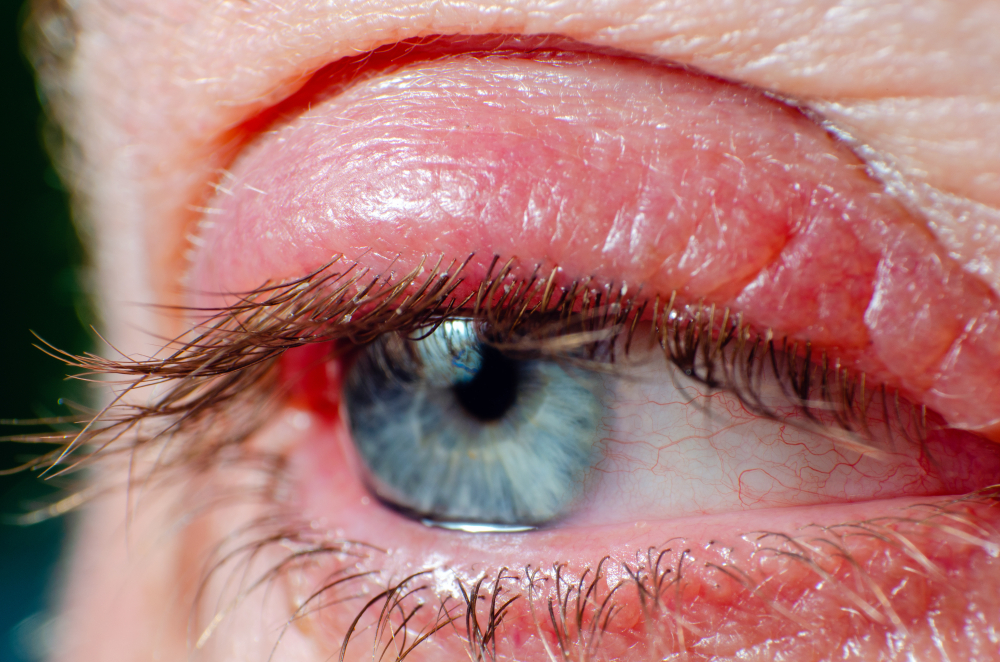
Recommended practices may include:
- Daily eyelid cleansing
- Use of specialized wipes
- Removal of debris around eyelashes
- Regular replacement of eye cosmetics
- Cleaning of makeup brushes
Consistent eyelid hygiene may improve treatment outcomes and help reduce recurrence.
How Long Does Treatment Take?
Demodex mites have a life cycle of approximately 14–18 days.
Because multiple generations may be present simultaneously, treatment often requires several weeks or months to achieve optimal results.
Many clinicians recommend continuing therapy for at least 8–12 weeks, depending on the severity of infestation and patient response.
Supporting Skin Recovery
In addition to topical therapies, patients may benefit from:
- Gentle skincare products
- Avoiding harsh scrubs
- Maintaining skin barrier health
- Managing rosacea triggers
- Following medical treatment plans consistently
A healthy skin environment may help reduce the likelihood of future Demodex overgrowth.
Conclusion
Topical therapies play a central role in the management of Demodex mite infestations. Treatments such as terpinen-4-ol, ivermectin, metronidazole, permethrin, sulfur preparations, and specialized eyelid cleansers can help reduce mite populations and improve associated skin and eye symptoms.
Because treatment effectiveness may vary among individuals, patients should work closely with qualified healthcare professionals to determine the most appropriate therapeutic approach. With consistent treatment and proper skin care, many people experience significant improvement in Demodex-related conditions.
References
- Demodex Blepharitis: A Comprehensive Review of the Disease, Current Management, and Emerging Therapies
- In Vitro Demodicidal Activity of Commercial Lid Hygiene Products
- Demodex and Rosacea: Is There a Relationship?
- Demodex (DermNet NZ)
- Topical Ivermectin in the Treatment of Papulopustular Rosacea
- Pharmacotherapy of Demodex-Associated Blepharitis
- Hypochlorous Acid Solution (Avenova®) Is Not Demodicidal


