Explore the biology, triggers, and contributing factors behind Demodex mites and its impact on skin and eyelid health. >>
Why Demodex.net?
We bring clarity to a complex condition through education, research, and global collaboration.
EXPERT-LED RESEARCH
Articles and resources developed with Demodex-aware doctors, researchers, and parasitology experts.
PATIENT & PRACTITIONER EDUCATION
Clear guidance for individuals, plus professional tools, continuing education, and certification for practitioners.
CLINICAL & SCIENTIFIC STANDARDS
Content organized around symptoms, testing, biology, research, and management—not trends or fear-based claims.
COMMUNITY & PRODUCT EVALUATION
A central place for support, awareness, practitioner connection, and products evaluated for Demodex-focused use.
What is
DEMODEX
?
Who Has Demodex
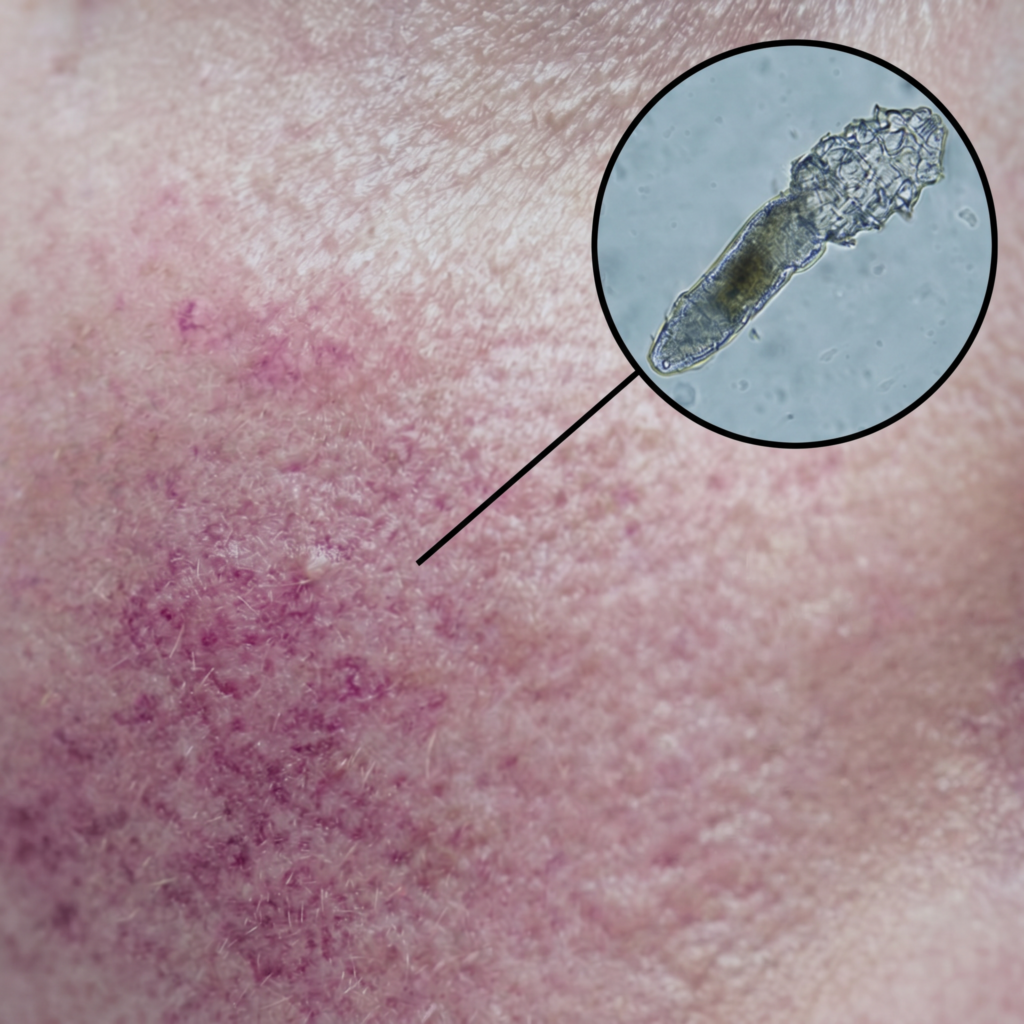
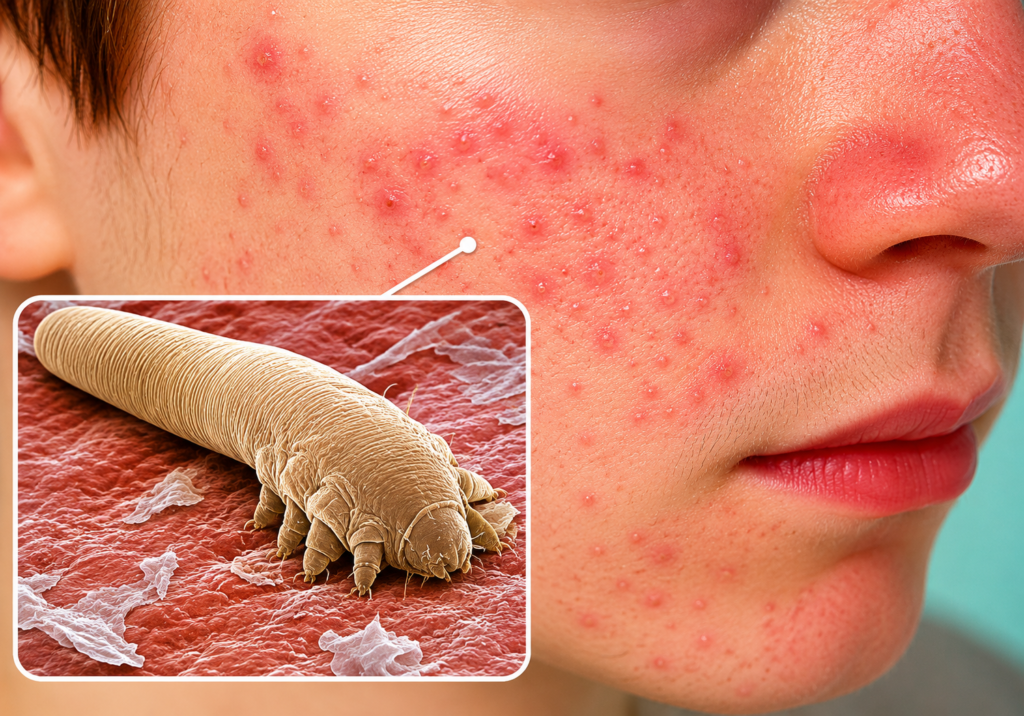
Demodex mites naturally live on most adult human skin, especially on the face, eyelids, nose, cheeks, scalp, and other oil-rich areas. In small amounts, they are normal, but problems can begin when they overgrow or trigger inflammation, especially in people with rosacea-prone skin, oily skin, aging skin, eyelid irritation, recurrent bumps, or a weakened skin barrier.
Types of Demodex Mites
There are two main types of Demodex mites: Demodex folliculorum, which lives closer to the surface inside hair follicles, and Demodex brevis, which lives deeper in the sebaceous oil glands. Both are microscopic, but they may leave visible clues such as lash collarettes, rough texture, redness, irritation, pustules, or recurring follicle inflammation.
Symptoms & Management
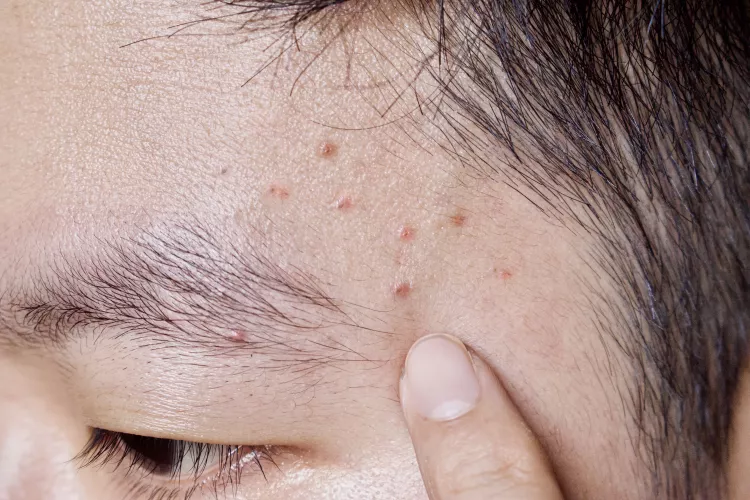
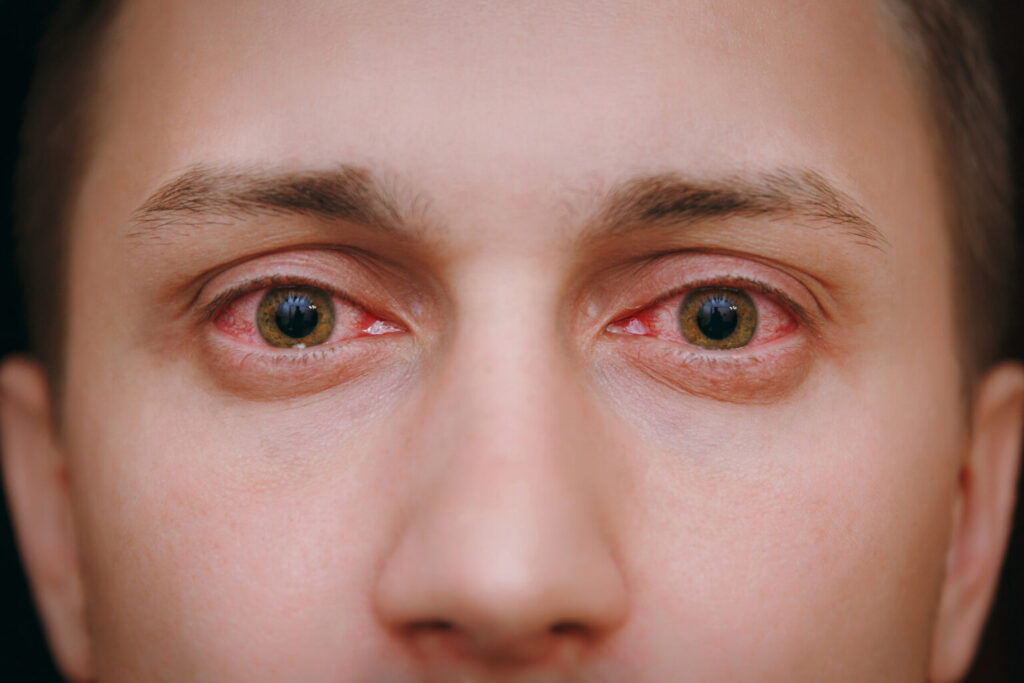
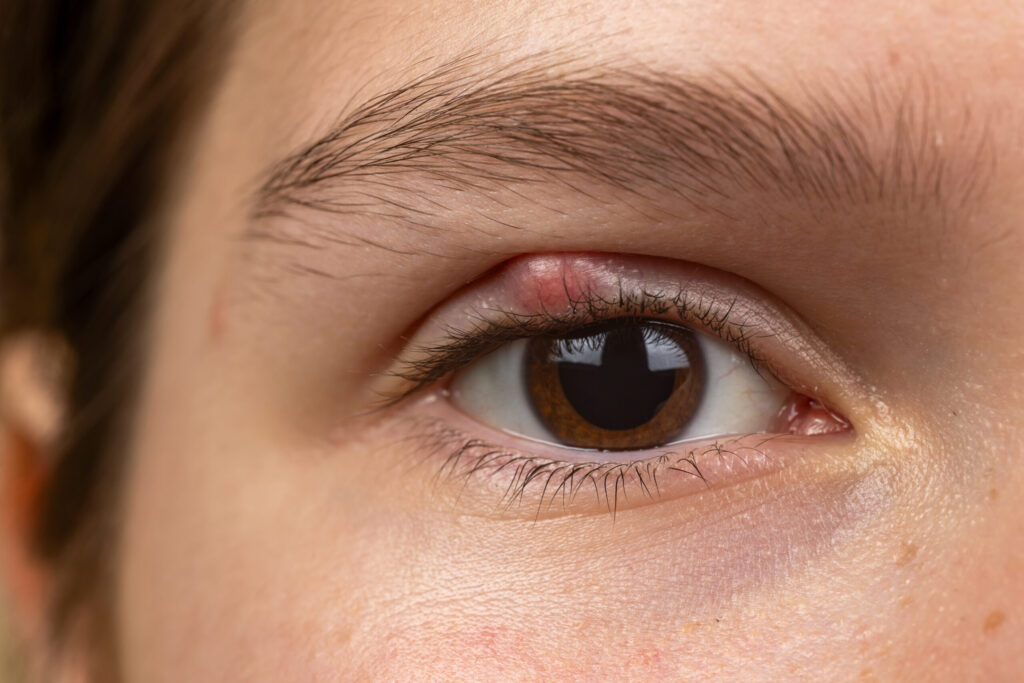
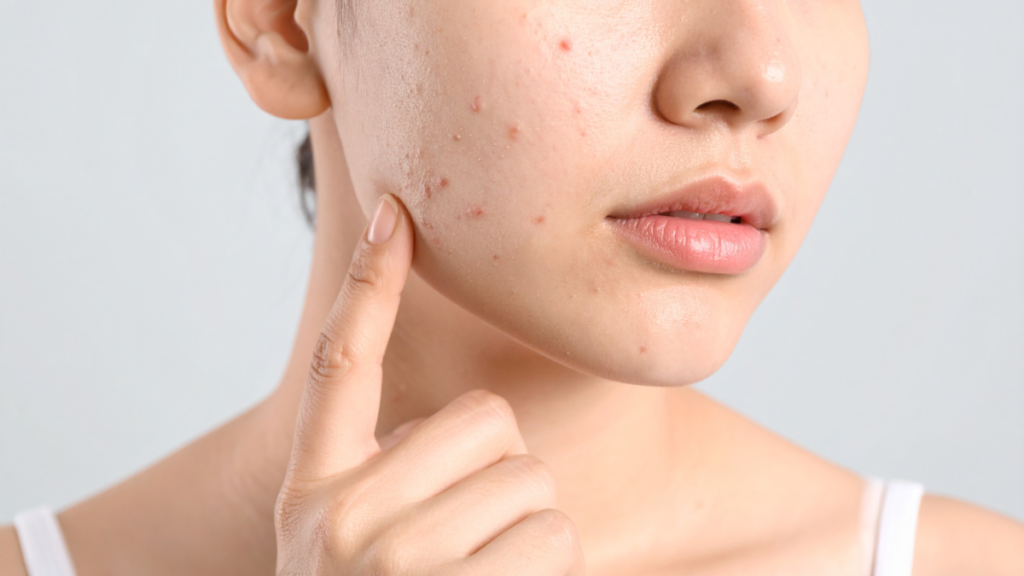
Demodex overgrowth may cause facial redness, itching, burning, rough texture, pustules, folliculitis-like bumps, dry eyes, itchy eyelids, recurrent styes, and white cylindrical buildup around the lashes. Management should focus on reducing excess mite activity while supporting the skin barrier, calming inflammation, improving hygiene, and avoiding harsh skincare that can make sensitive, Demodex-prone skin worse.
Choose Your Path
Personalized resources for patients and healthcare professionals.