Introduction
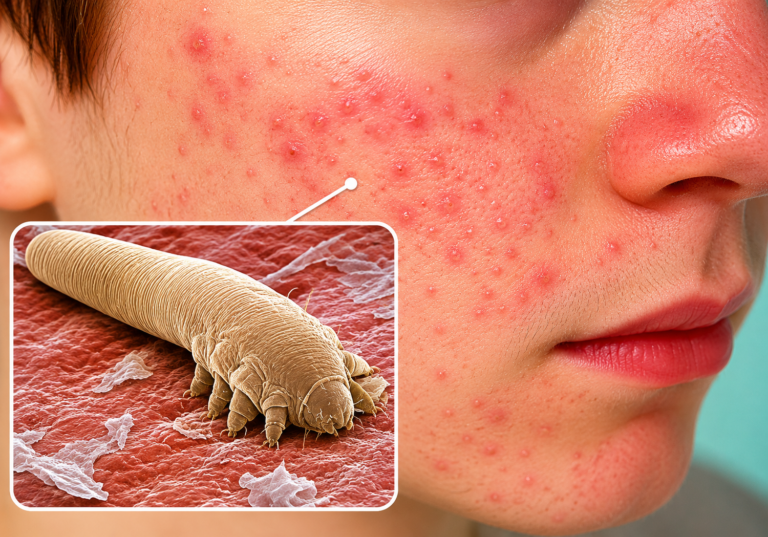
Demodex and Candida are two microorganisms that commonly inhabit the human body. While both are usually harmless, an overgrowth of either may contribute to skin and eye disorders. The human body hosts a variety of microorganisms that normally coexist in balance. Among these are Demodex mites, microscopic parasites that live in hair follicles and sebaceous glands, and Candida, a type of yeast naturally present on the skin and mucous membranes. While both organisms are usually harmless, an overgrowth of either can contribute to various skin and eye conditions.
Recent research suggests that immune dysfunction, skin barrier disruption, and microbial imbalance may create an environment where both Demodex and Candida can thrive simultaneously, potentially worsening symptoms and prolonging recovery.
What Is Demodex?
Demodex mites are tiny parasites that inhabit human skin, particularly areas rich in oil glands such as:
- Eyelids
- Face
- Forehead
- Nose
- Chin
The two species most commonly found in humans are Demodex folliculorum and Demodex brevis.
When their population becomes excessive, they may contribute to:
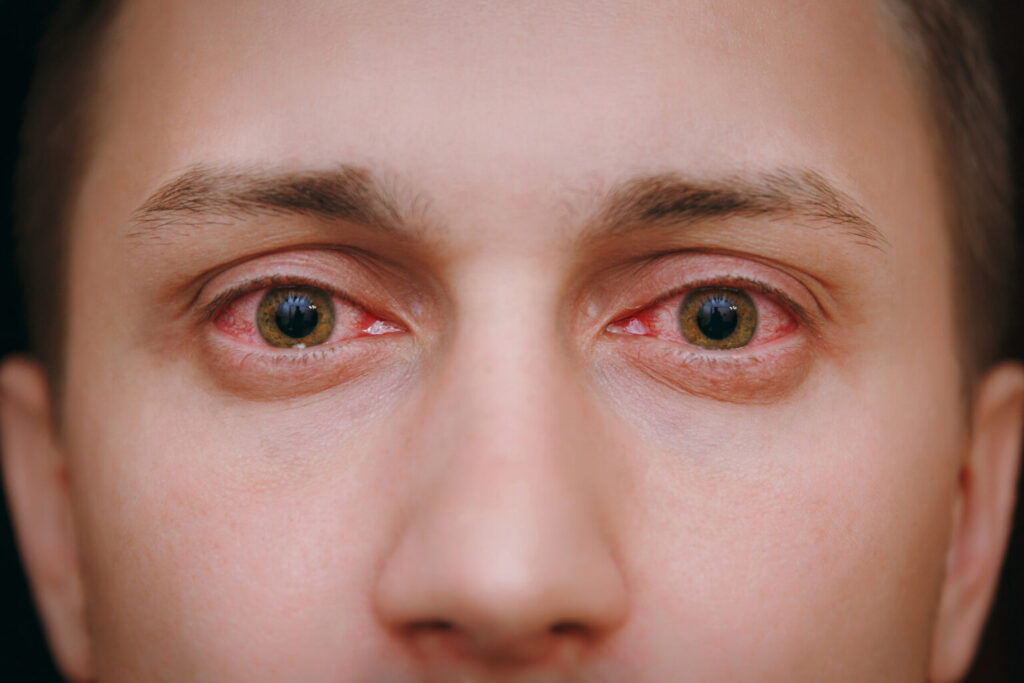
- Blepharitis (eyelid inflammation)
- Rosacea
- Dry eye symptoms
- Itching and irritation
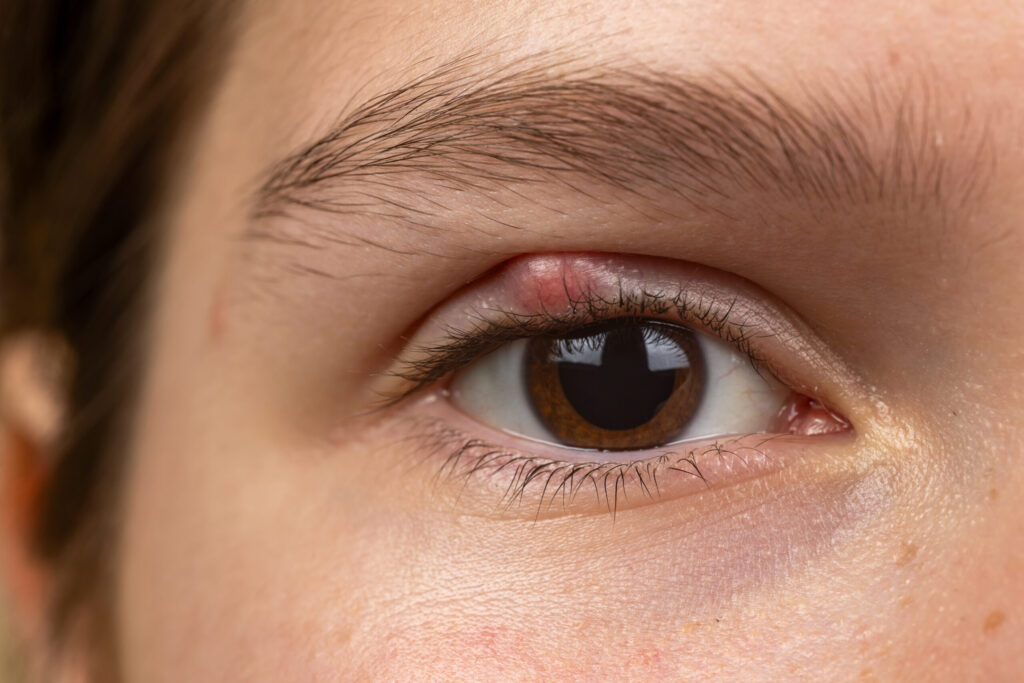
- Recurrent chalazia
What Is Candida?
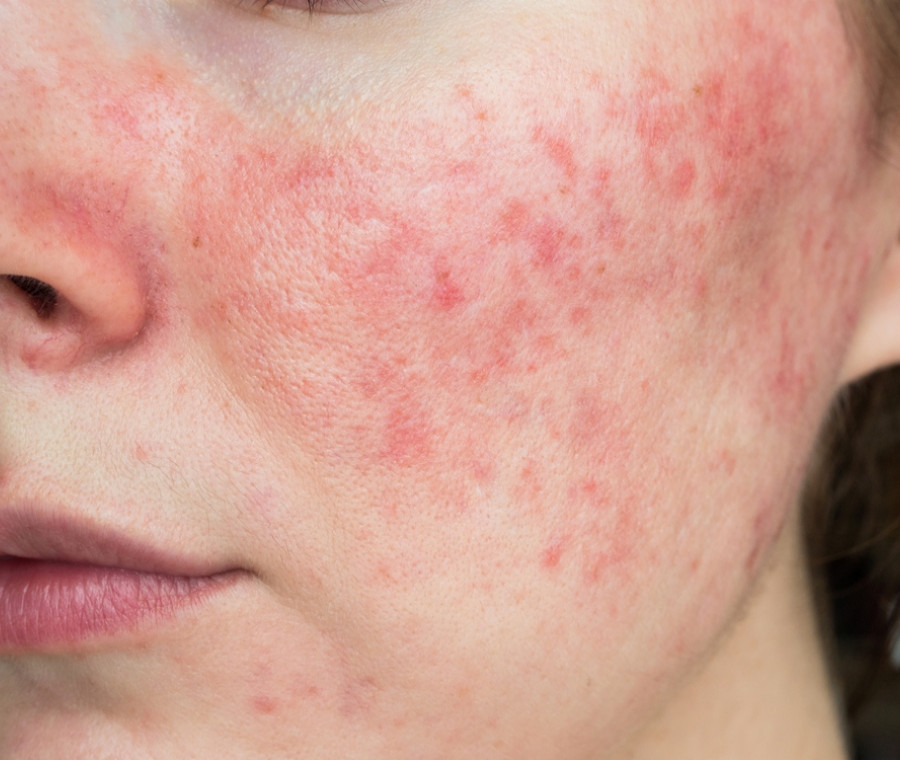
Candida is a yeast that naturally lives on the skin, in the mouth, and within the digestive tract. The most common species is Candida albicans.
Under certain conditions, Candida can multiply excessively, leading to fungal infections and symptoms such as:
- Redness and irritation
- Itching
- Skin inflammation
- Flaking skin
- Recurrent infections
Factors that promote Candida overgrowth include:
- Weakened immune function
- Diabetes
- Antibiotic use
- Chronic stress
- Poor hygiene practices
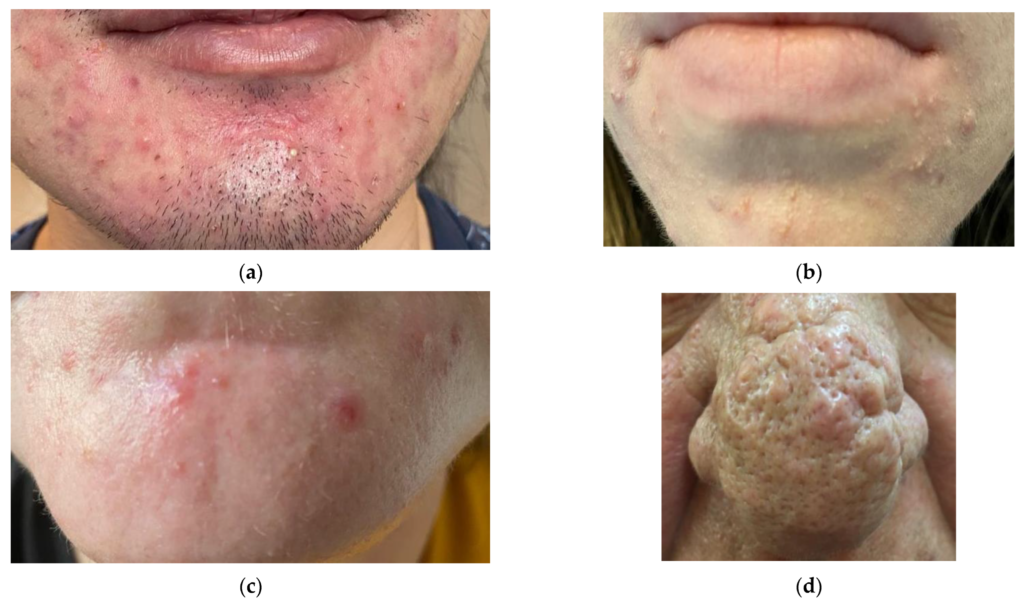
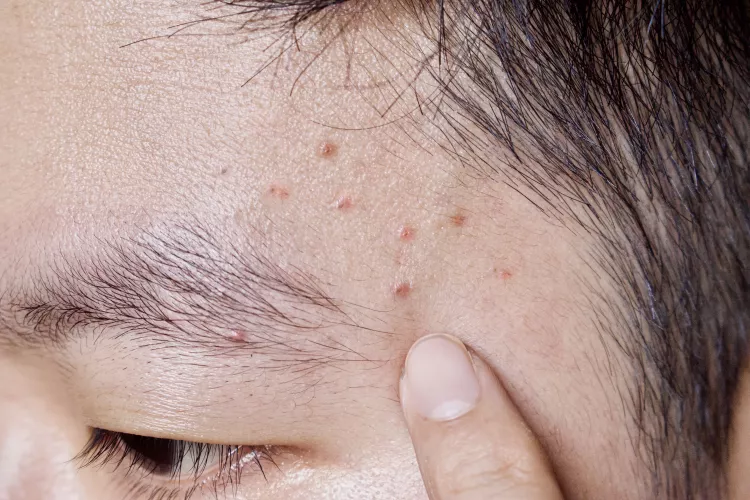
Dermatological manifestations of demodicosis in adults : (a) Patient with acute skin lesions (rosacea); (b) patient with cutaneous demodicosis and bacterial co-infection (S. aureus); (c) patient with single skin lesions; (d) patient with typical skin lesions caused by Demodex spp. on the nose, so-called “Demodex nose”.
The Potential Link Between Demodex and Candida
Although Demodex mites and Candida yeast are very different organisms, they share several risk factors.
1. Immune System Dysfunction
Individuals with weakened immune responses may be more susceptible to both Demodex infestations and Candida overgrowth. Reduced immune surveillance allows these organisms to multiply beyond normal levels.
2. Skin Barrier Damage
Inflamed or damaged skin provides an environment that may favor microbial imbalance. Chronic irritation caused by Demodex can weaken the skin barrier, potentially allowing opportunistic organisms such as Candida to flourish.
3. Microbiome Imbalance
Healthy skin contains a balanced ecosystem of bacteria, fungi, and other microorganisms. Disruptions to this microbiome can encourage the growth of both Demodex and Candida, contributing to chronic inflammation.
4. Chronic Inflammatory Conditions
Conditions such as rosacea, seborrheic dermatitis, and blepharitis often involve complex interactions between mites, fungi, bacteria, and the immune system. In some patients, both Demodex and Candida may play a role in symptom persistence.
Eye Health and Demodex
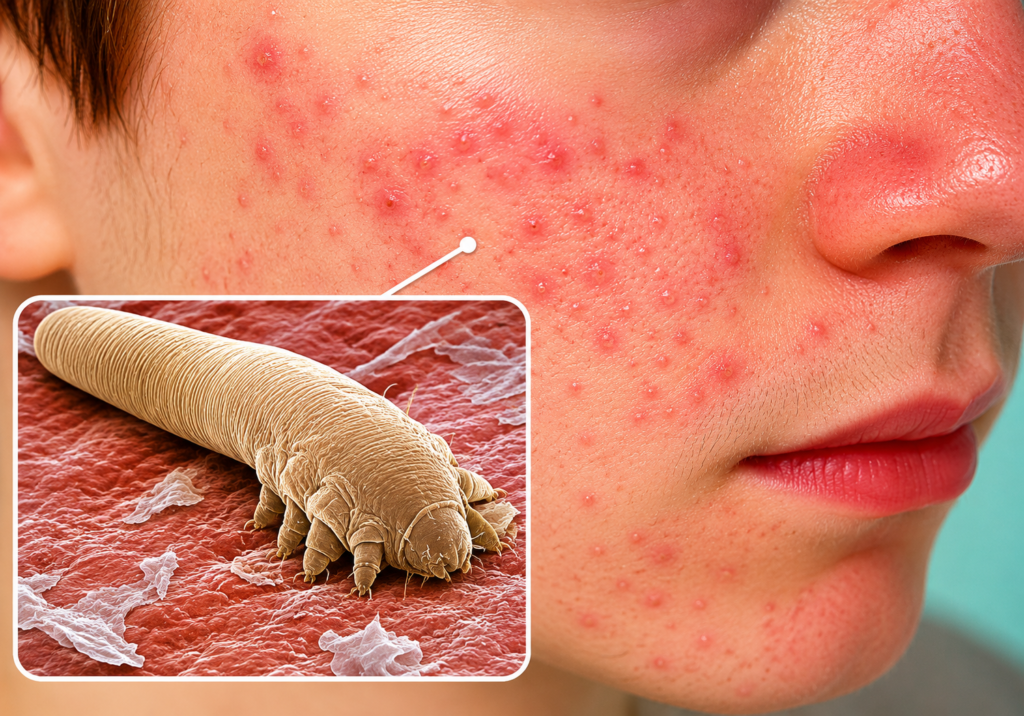
Demodex infestations of the eyelids are increasingly recognized as a significant contributor to chronic eye discomfort.
Common symptoms include:
- Itchy eyelids
- Burning sensation
- Foreign body sensation
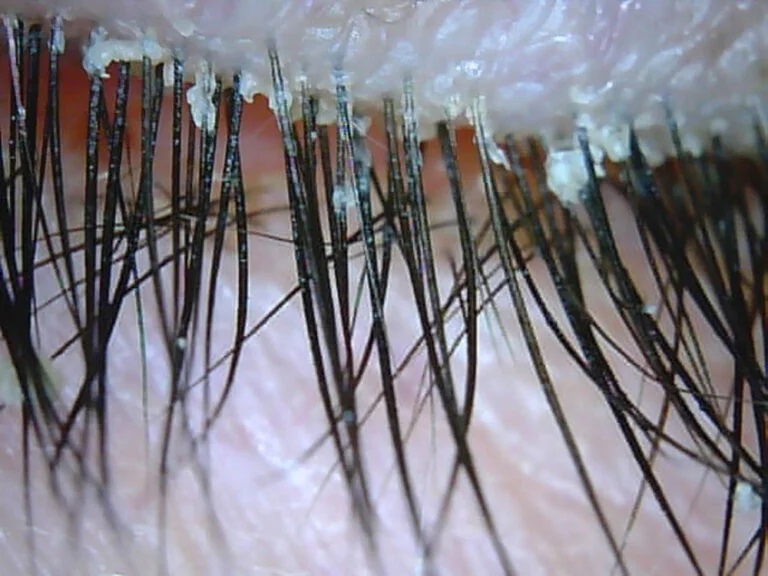
- Crusty eyelashes
- Cylindrical dandruff around lashes
- Recurrent styes and chalazia
While Candida is less commonly associated with eyelid disease, fungal overgrowth can occasionally contribute to ocular surface irritation, especially in immunocompromised individuals.
Diagnosis
Accurate diagnosis is essential because symptoms caused by Demodex and Candida may overlap with other dermatological and ophthalmological conditions.
Demodex Diagnosis
Methods include:
- Microscopic examination of eyelashes
- Standardized skin surface biopsy
- Dermoscopy
- In vivo confocal microscopy
Candida Diagnosis
Methods include:
- Fungal culture
- Microscopic examination
- PCR testing
- Clinical evaluation
Management Strategies
Successful management often focuses on restoring balance rather than targeting a single organism.
Recommended approaches include:
Eyelid Hygiene
Regular cleansing of the eyelid margins can help reduce Demodex populations and improve eye comfort.
Skin Care
Gentle skin care products may help support the skin barrier and reduce inflammation.
Microbiome Support
Maintaining a healthy skin environment may help prevent excessive growth of both mites and yeast.
Professional Evaluation
Persistent symptoms should be assessed by a healthcare professional to determine the underlying cause and appropriate treatment plan.
Conclusion
Demodex mites and Candida yeast are common inhabitants of the human body, but under certain circumstances they may contribute to chronic skin and eye problems. While research into their interaction is ongoing, both organisms appear to share important risk factors, including immune dysfunction, microbiome imbalance, and chronic inflammation.
Understanding the relationship between Demodex and Candida can help clinicians and patients take a more comprehensive approach to managing persistent dermatological and ocular symptoms.
References
1. Demodex Blepharitis: Clinical Perspectives