

Introduction
Itchy eyelids are among the most common and frustrating symptoms associated with Demodex mite overgrowth, specifically relating to Demodex Itchy Eyelids. Demodex mites are microscopic parasites that naturally inhabit human skin, particularly around hair follicles and sebaceous glands. While they are present in many healthy individuals, an excessive population can contribute to inflammation, irritation, and chronic eyelid disorders.
Many people suffering from persistent eyelid itching, redness, or recurrent eye irritation may not realize that Demodex mites could be playing a role in their symptoms related to Demodex Itchy Eyelids.
What Are Demodex Mites?
Demodex mites are tiny eight-legged parasites that live in hair follicles and oil glands. The two species most commonly found in humans are Demodex folliculorum and Demodex brevis. These mites feed on skin cells, oils, and debris within the follicles.
Although they are usually harmless in small numbers, factors such as aging, rosacea, oily skin, weakened immunity, and poor eyelid hygiene can lead to an overgrowth that causes noticeable symptoms.
Why Do Demodex Mites Cause Itchy Eyelids?
Demodex mites tend to accumulate around the eyelashes and meibomian glands. Their movement, waste products, and associated bacteria can trigger an inflammatory response in the eyelid tissues.
As inflammation develops, patients may experience:
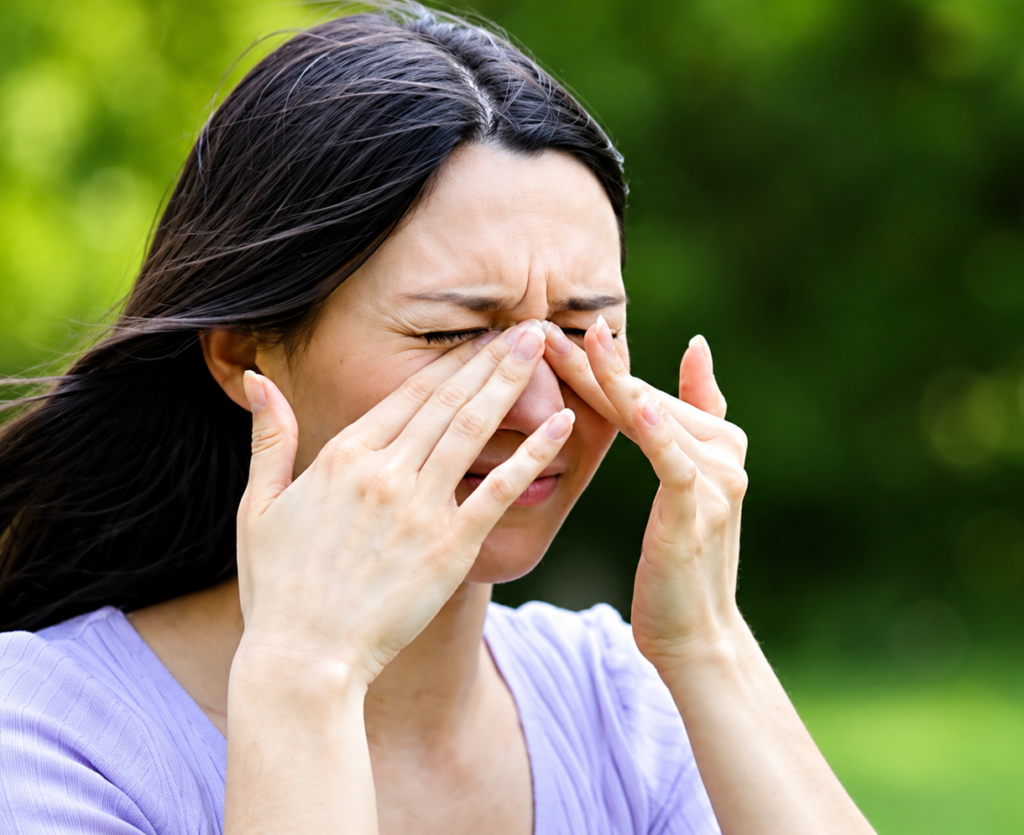
- Persistent itching
- Irritation and redness
- Burning sensations
- Eyelid swelling
- Increased sensitivity to light
Symptoms are often worse in the morning because the mites are more active during the night.
Common Symptoms and Signs
The symptoms of Demodex infestation can vary from mild discomfort to chronic eyelid disease. Common signs include:
Itchy Eyelids
The most frequently reported symptom is itching along the eyelid margins, especially near the base of the eyelashes.
Redness and Inflammation
The eyelids may appear red, swollen, or irritated due to ongoing inflammation.
Collarettes Around Eyelashes
A characteristic sign of Demodex blepharitis is the presence of collarettes (cylindrical dandruff) around the base of the eyelashes. These waxy deposits are considered one of the strongest indicators of Demodex infestation.

Dry Eye Symptoms
Many patients experience:
- Dryness
- Grittiness
- Foreign body sensation
- Burning eyes
- Fluctuating vision
Eyelash Problems
Demodex infestation may contribute to:
- Eyelash loss (madarosis)
- Fragile eyelashes
- Misdirected eyelash growth
Recurrent Styes and Chalazia
Individuals with chronic Demodex infestation often develop recurring styes or chalazia due to blockage and inflammation of eyelid glands.
Conditions Associated with Demodex
Research has linked Demodex overgrowth to several ocular surface disorders, including:
- Blepharitis
- Meibomian gland dysfunction
- Dry eye disease
- Ocular rosacea
- Recurrent chalazion
- Chronic eyelid inflammation
Because these conditions frequently overlap, treating the underlying Demodex infestation may improve overall eye health.
How Is Demodex Diagnosed?
Eye care professionals usually diagnose Demodex infestation during a comprehensive eye examination. The presence of collarettes at the base of the eyelashes is often sufficient to raise suspicion.
Additional diagnostic methods may include:
- Slit-lamp examination
- Eyelash sampling
- Microscopic evaluation
- High-magnification eyelid imaging
Early diagnosis can help prevent long-term inflammation and discomfort.
Treatment and Prevention
Managing Demodex-related symptoms typically involves improving eyelid hygiene and reducing mite populations.
Recommended measures include:
- Daily eyelid cleansing
- Regular replacement of eye makeup
- Cleaning makeup brushes
- Washing pillowcases frequently
- Avoiding shared cosmetics
- Following treatment plans prescribed by eye care professionals
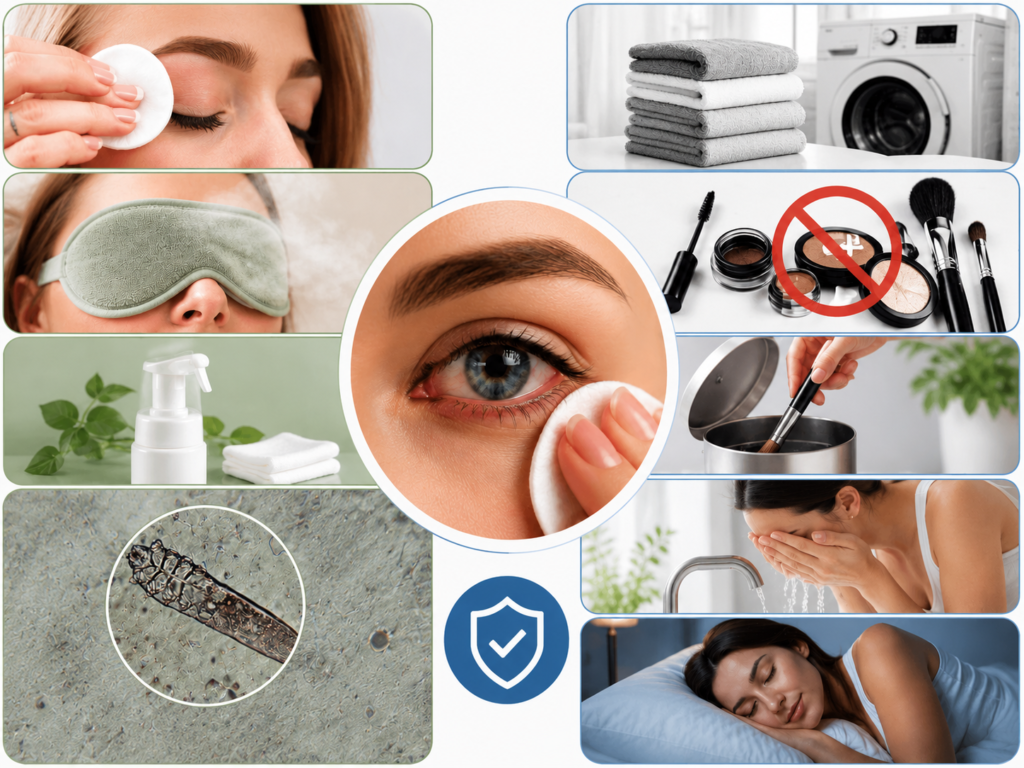
Consistent eyelid hygiene is one of the most effective strategies for controlling Demodex populations and reducing symptoms.
Conclusion
While itchy eyelids can result from many different conditions, Demodex mites are an increasingly recognized cause of chronic eyelid irritation and inflammation. Symptoms such as itching, redness, collarettes, dry eyes, and recurrent styes should not be ignored. Proper diagnosis and treatment can significantly improve comfort and help maintain healthy eyelids and ocular surfaces.


