

Demodex mites are microscopic ectoparasites that live naturally in human hair follicles and sebaceous glands. Two species are commonly found in humans: Demodex folliculorum and Demodex brevis. Although these mites are considered part of the normal skin microbiome, excessive populations can trigger inflammation and contribute to a condition known as demodicosis.
Many individuals with Demodex overgrowth experience symptoms that are mistakenly diagnosed as acne, rosacea, eczema, allergic dermatitis, or seborrheic dermatitis. Understanding the body signs associated with Demodex infestation, commonly referred to as Demodex Body Signs, is essential for accurate diagnosis and effective treatment.
Understanding the Demodex Body Signs is crucial for identifying the symptoms that may arise from this condition.
Understanding Demodex Overgrowth
Notably, the Demodex Body Signs can manifest in various ways, indicating an overgrowth of these mites. Under normal circumstances, Demodex mites feed on sebum, dead skin cells, and cellular debris. Problems arise when their population increases significantly. This overgrowth can damage hair follicles, disrupt the skin barrier, trigger immune responses, and promote bacterial colonization.
Several factors may increase Demodex density, including:
When mite populations become excessive, symptoms can extend beyond the eyelids and affect multiple areas of the body.
Common Symptoms of Demodex Infestation

Persistent Itching
One of the most frequently reported symptoms is itching. Patients often notice that itching becomes worse during the evening or nighttime because Demodex mites are more active after dark.
Affected areas may include:
Unlike allergic itching, Demodex-related itching often persists despite standard allergy treatments.
Burning and Stinging Sensation
Patients frequently report a burning sensation that resembles sunburn or skin irritation. Common descriptions include:
This symptom results from inflammation surrounding hair follicles and sebaceous glands.
Crawling Sensation
Although not present in every case, some patients describe a feeling of movement or crawling beneath the skin. This sensation is more commonly reported in severe infestations and can contribute to anxiety and sleep disturbances.
Increased Skin Sensitivity
Some of the common Demodex Body Signs include persistent itching and inflammation. Many patients notice that products they previously tolerated begin causing irritation.
Examples include:
This increased sensitivity occurs because chronic inflammation weakens the skin barrier.
Clinical Body Signs of Demodex

Facial Redness (Erythema)
Persistent facial redness is one of the strongest clinical indicators of increased Demodex density.
Areas commonly affected include:
The redness may appear continuous or worsen during:
Several studies have demonstrated significantly higher Demodex counts in patients with chronic facial erythema and rosacea.
Papules and Pustules
Demodex infestation can produce inflammatory lesions that resemble acne.
Papules
Small red raised bumps without pus.
Pustules
The prevalence of Demodex Body Signs underscores the importance of education. White or yellow pus-filled bumps. Unlike acne vulgaris, Demodex-associated lesions often:
Overall, understanding Demodex Body Signs is crucial for individuals seeking clarity on skin issues.
Folliculitis
Folliculitis refers to inflammation of hair follicles.
Demodex Body Signs may appear on:
Clinical signs include:
Folliculitis is one of the most commonly overlooked manifestations of Demodex infestation.
Rosacea-Like Inflammation
Awareness of Demodex Body Signs is a step towards effective treatment. Researchers have repeatedly demonstrated a strong relationship between Demodex mites and rosacea.
Patients may develop:
Many rosacea patients exhibit significantly higher Demodex densities compared to healthy controls. Addressing Demodex Body Signs promptly can prevent escalation of skin issues.
Rough Skin Texture
An overgrowth of mites can alter normal skin turnover and cause:
Patients often describe their skin as feeling similar to sandpaper.
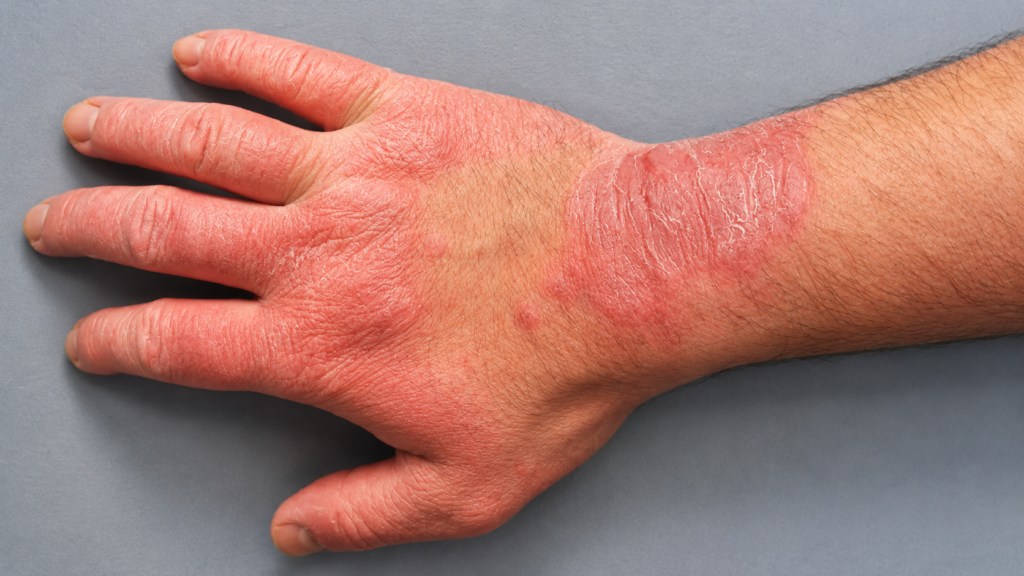
Scaling and Flaking
Demodex-associated inflammation can cause excessive shedding of skin cells.
Visible signs include:
These symptoms are frequently confused with seborrheic dermatitis.
Scalp Symptoms
Although facial involvement is most common, Demodex can also affect the scalp.
Symptoms may include:
Some studies suggest a potential role of Demodex in certain forms of scalp inflammation.
Hair and Eyebrow Changes
Chronic infestation may damage hair follicles.
Potential signs include:
Hair changes are more common in long-standing or severe infestations.
Body Areas Most Commonly Affected
| Body Area | Common Signs |
|---|---|
| Face | Redness, papules, pustules |
| Eyelids | Itching, collarettes, inflammation |
| Eyebrows | Scaling, hair loss |
| Scalp | Itching, flaking |
| Neck | Red patches |
| Chest | Folliculitis |
| Upper Back | Acne-like lesions |
| Shoulders | Follicular inflammation |
When Should You Suspect Demodex?
You should consider Demodex overgrowth if:
Conclusion
Demodex mites are common inhabitants of human skin, but excessive populations can contribute to significant dermatological problems. Body signs may include persistent redness, rosacea-like inflammation, papules, pustules, folliculitis, scalp irritation, scaling, and increased skin sensitivity. Because these symptoms overlap with many other skin conditions, Demodex infestations are often overlooked. Recognizing the characteristic clinical signs can help clinicians and patients pursue appropriate diagnostic testing and targeted treatment.


