
Introduction
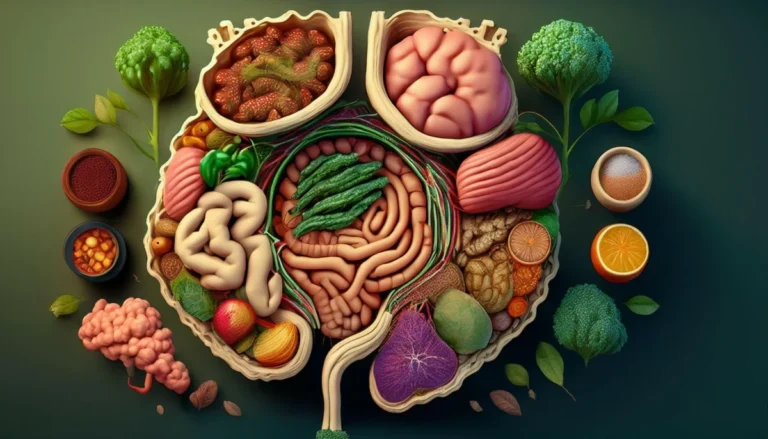
The human body is home to trillions of microorganisms that play essential roles in maintaining health. Two of the most important microbial ecosystems are found on the skin and within the gastrointestinal tract. While these systems may seem unrelated, growing scientific evidence suggests they are closely interconnected through what researchers call the “gut-skin axis.The relationship between Demodex and Gut Dysbiosis is becoming a focal point in dermatological research, highlighting how gut health can influence skin conditions.
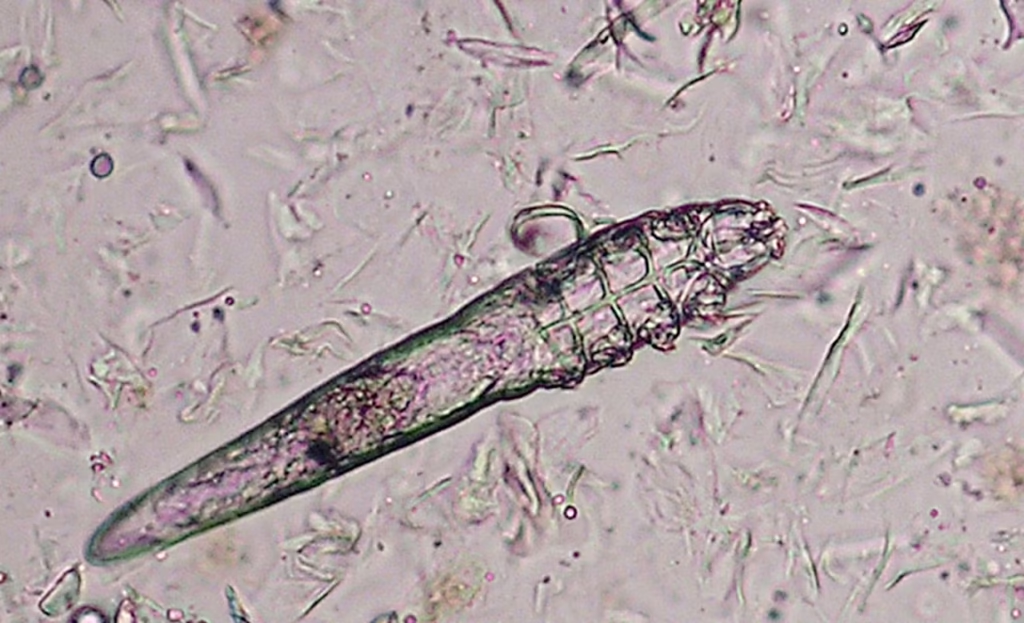
Demodex mites are microscopic parasites that naturally inhabit human skin. Most people carry Demodex without experiencing any symptoms. However, when mite populations become excessive, they may contribute to inflammatory skin conditions such as rosacea, blepharitis, folliculitis, and chronic facial irritation.
At the same time, researchers have discovered that disturbances in the gut microbiome, known as gut dysbiosis, can influence immune regulation, inflammation, and skin health. This has led scientists to investigate whether an unhealthy gut may create conditions that favor Demodex overgrowth and worsen Demodex-related skin disorders.
Although research is still evolving, evidence increasingly suggests that gut health may play a significant role in the development and persistence of inflammatory skin conditions associated with Demodex mites. Understanding the interplay between Demodex and Gut Dysbiosis can help in formulating effective treatment strategies.
What Are Demodex Mites?
Demodex mites are tiny arachnids that live inside hair follicles and sebaceous glands. The two species most commonly found on humans are:
These mites feed primarily on skin oils (sebum), cellular debris, and follicular contents.
In healthy individuals, Demodex populations remain relatively low and cause no symptoms. Problems typically arise when mite densities increase significantly or when the immune system reacts abnormally to their presence.
Excessive Demodex populations have been associated with:
Researchers continue to investigate the factors that allow Demodex populations to expand beyond normal levels.
What Is Gut Dysbiosis?
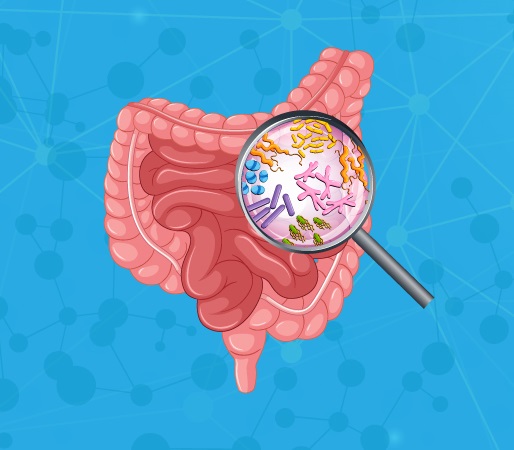
The human digestive tract contains a complex community of bacteria, fungi, viruses, and other microorganisms collectively known as the gut microbiome.
A healthy microbiome performs numerous important functions:
Gut dysbiosis occurs when the balance of beneficial and harmful microorganisms becomes disrupted.
Common causes include:
When dysbiosis develops, harmful microorganisms may increase while beneficial species decline, leading to inflammation and impaired immune regulation.
Common symptoms of gut dysbiosis include:
Understanding the Gut-Skin Axis
The gut-skin axis refers to the biological communication network connecting the gastrointestinal system and the skin.
The gut and skin constantly communicate through:
When the gut microbiome becomes imbalanced, inflammatory signals generated in the digestive system can affect distant organs, including the skin.
Numerous studies have linked gut dysbiosis to skin conditions such as:
Interestingly, many of these conditions have also been associated with elevated Demodex mite densities.
The Connection Between Demodex and Gut Dysbiosis
1. Increased Systemic Inflammation
One of the most important consequences of gut dysbiosis is chronic low-grade inflammation. When harmful bacteria dominate the gut microbiome, they may produce inflammatory molecules that enter circulation and affect tissues throughout the body.
These inflammatory signals can:
Such changes may create a skin environment that allows Demodex mites to thrive.
2. Altered Immune Responses
The gastrointestinal tract houses approximately 70% of the body’s immune system. A healthy gut microbiome helps educate and regulate immune cells. However, dysbiosis may impair this regulation and lead to inappropriate immune responses.
Researchers have observed abnormal immune activity in several Demodex-associated conditions, particularly rosacea. When immune regulation becomes impaired, the body’s ability to control Demodex populations may decrease.
3. Skin Barrier Dysfunction
The skin barrier serves as the body’s first line of defense against environmental threats and microorganisms.
Gut dysbiosis may contribute to:
Together, these factors can weaken skin barrier integrity. A compromised barrier may make the skin more susceptible to irritation and allow inflammatory reactions to develop more easily in response to Demodex mites.
4. Changes in Sebum Production
Demodex mites rely heavily on sebum for nutrition. Emerging evidence suggests that gut microbial imbalances may influence hormonal pathways that regulate sebaceous gland activity. Increased sebum production may provide a richer environment for Demodex survival and reproduction.
Rosacea, Demodex, and the Gut
Rosacea is perhaps the strongest example of the potential relationship between gut health and Demodex mites.
Patients with rosacea frequently exhibit:
Research has identified associations between rosacea and several gastrointestinal disorders, including:
Several studies have reported significant improvement in rosacea symptoms following treatment of underlying gastrointestinal conditions. These findings support the theory that gut dysfunction may contribute to the inflammatory environment associated with Demodex proliferation.
Small Intestinal Bacterial Overgrowth (SIBO)
SIBO occurs when excessive bacteria accumulate within the small intestine.
Symptoms often include:
Researchers have repeatedly found higher rates of SIBO among rosacea patients compared with healthy controls. Some studies have even demonstrated that successful SIBO treatment resulted in substantial improvement of rosacea symptoms.
Because rosacea is strongly associated with elevated Demodex populations, SIBO may represent an important indirect factor influencing Demodex-related disease.
The Role of Nutrition
Gut dysbiosis can impair nutrient absorption, leading to deficiencies that may affect skin health.
Important nutrients include:
Zinc
Zinc supports:
Low zinc levels may contribute to inflammation and poor skin barrier function.
Vitamin D
Vitamin D plays a crucial role in immune regulation and skin health.Deficiency has been associated with various inflammatory skin disorders.
Omega-3 Fatty Acids
Omega-3 fatty acids help regulate inflammation and support healthy skin barrier function. Low intake may contribute to inflammatory skin conditions.
Can Improving Gut Health Help Manage Demodex?
Although gut health alone is unlikely to eliminate Demodex mites, improving the gut microbiome may help reduce factors that contribute to inflammation and skin dysfunction.
Strategies that may support gut health include:
Eat More Fiber
Fiber feeds beneficial gut bacteria and promotes microbial diversity.
Consume Fermented Foods
Examples include:
These foods may help support a balanced microbiome.
Reduce Ultra-Processed Foods
Highly processed foods can negatively affect microbial diversity and promote inflammation.
Manage Stress
Chronic stress influences both the gut microbiome and skin health through hormonal and immune pathways.

Sleep Optimization
Poor sleep has been linked to microbial imbalances and increased inflammatory activity.
Future Directions in Research
The connection between Demodex mites and gut dysbiosis remains an emerging field of study.
Future research aims to determine:
As our understanding of the gut-skin axis expands, clinicians may increasingly incorporate gut health assessments into the management of chronic inflammatory skin diseases.
Conclusion
Demodex mites and gut dysbiosis may be connected through a complex network of immune, inflammatory, and metabolic pathways known as the gut-skin axis. While scientists have not yet proven a direct causal relationship, growing evidence suggests that intestinal microbial imbalances may contribute to skin inflammation, impaired barrier function, and conditions frequently associated with elevated Demodex populations.
Maintaining a healthy gut microbiome through proper nutrition, stress management, and lifestyle interventions may help support overall skin health and complement traditional approaches to managing Demodex-related disorders. As research continues, the gut-skin connection may become an increasingly important aspect of understanding and treating chronic inflammatory skin conditions.


