Demodex Die-Off: Why Your Skin Gets Worse Before It Gets Better (and What’s Normal)
You started treating your Demodex, and instead of clearing up, your skin got worse. More redness. New bumps. That maddening crawling, itching feeling. Before you panic and throw out everything you just bought — take a breath. What you’re describing is often a Demodex die-off reaction, and for many people it’s a normal, temporary phase on the way to clearer skin.
This guide explains what a die-off reaction is, why it happens, how long it usually lasts, and — importantly — how to tell a normal flare apart from a reaction that means you should stop and see a clinician.

What is a Demodex die-off reaction?
A Demodex die-off reaction is a temporary worsening of skin symptoms that can happen shortly after you begin an effective anti-Demodex treatment. It’s sometimes loosely compared to a “healing crisis.”
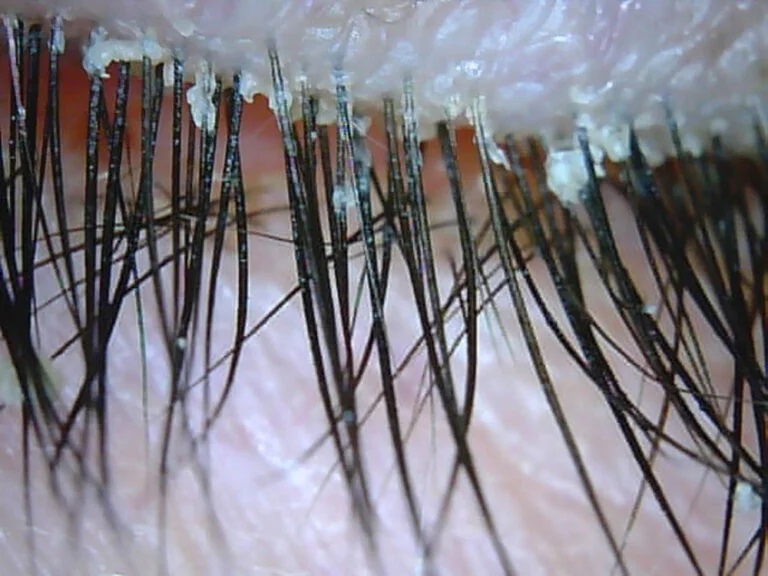
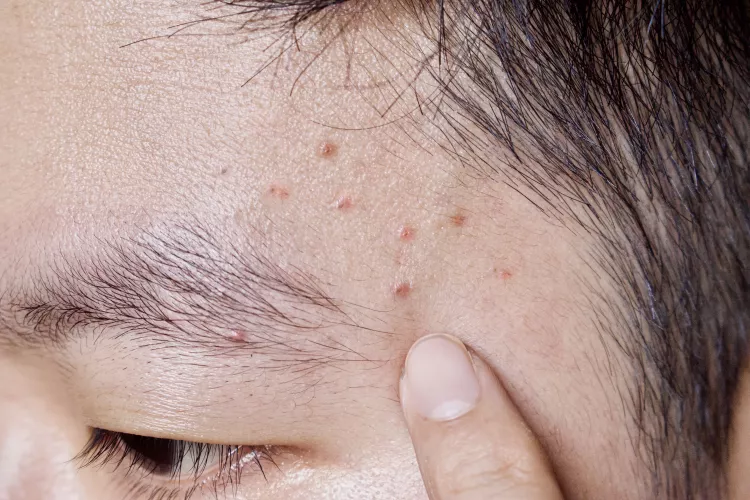
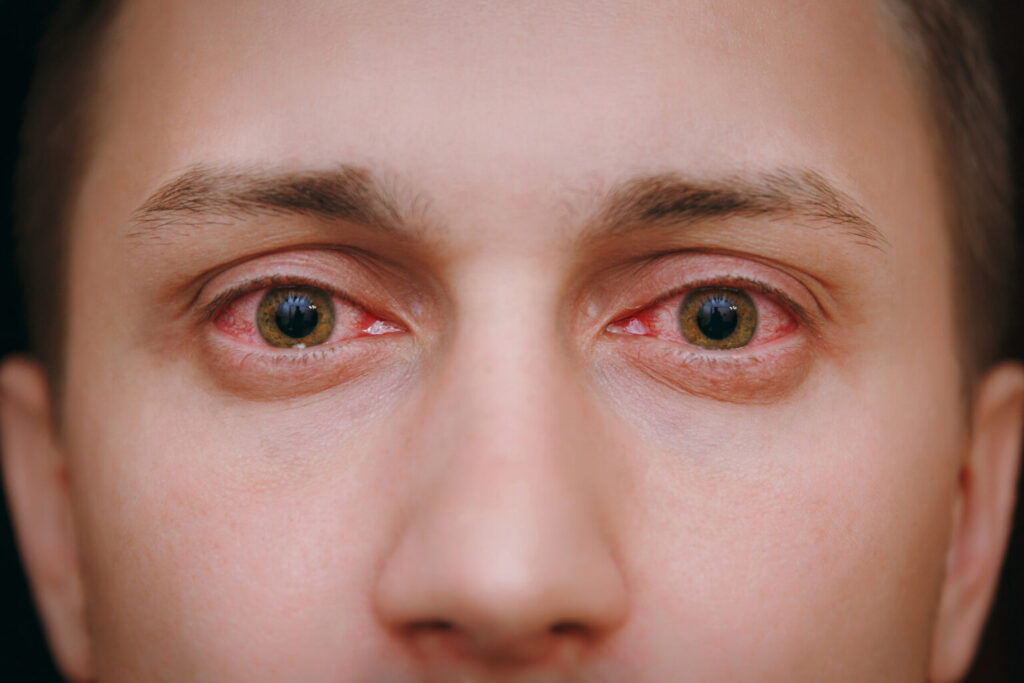
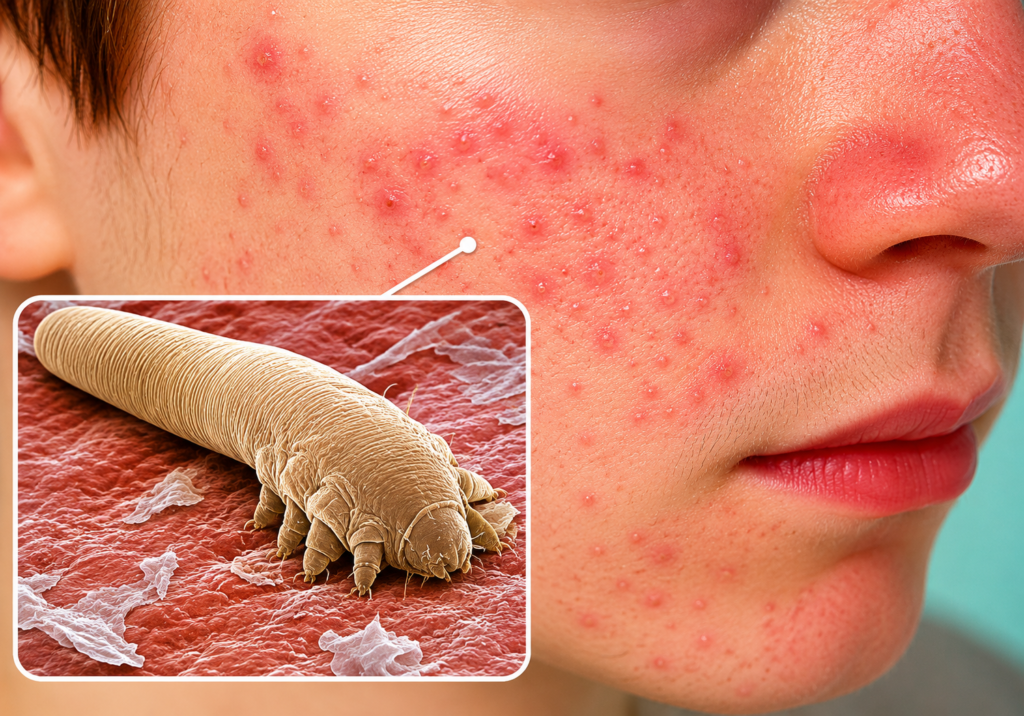
When mites are killed in large numbers, they release their contents — and the bacteria they carry — into the surrounding skin. Your immune system responds to this sudden load, and that response shows up as inflammation: redness, small bumps, itching, and sometimes a crawling sensation.
In other words, the flare isn’t a sign the treatment is failing. It can actually be a sign that it’s working — the mites are dying. To understand why, it helps to know a little about the Demodex life cycle and biology.
Why die-off happens
Demodex mites have no excretory system. They store waste internally and release it only when they die. When a treatment kills many mites at once, that waste — along with the bacteria living on the mites, such as Bacillus oleronius — is released into the follicle and surrounding skin. Research published in PubMed shows these bacterial proteins can recruit and activate neutrophils, the immune cells that drive visible inflammation.
Your immune system reads these released proteins as a threat and mounts an inflammatory response. For people already prone to Demodex-related skin conditions like rosacea, that inflammation can briefly amplify the very symptoms they were trying to treat. The link between these mites, their associated bacteria, and rosacea is detailed in this Journal of Medical Microbiology study, and the National Rosacea Society summarizes the same mechanism for patients.
The key reframe: A die-off flare is your immune system reacting to dying mites — not necessarily a reaction to the product itself. Stopping treatment at the first flare can mean quitting right before the turnaround.
How long does Demodex die-off last?
For most people, a die-off reaction follows a predictable arc. Symptoms tend to build over the first one to two weeks, peak somewhere around weeks two to three, and then gradually settle as the mite population drops and the skin barrier recovers.
Because the Demodex life cycle runs about 14–18 days, effective treatment usually needs to continue for at least six weeks to interrupt several reproductive cycles. That’s why many clinicians expect the worst of the flare to come early, with steady improvement by weeks six to eight. A systematic review of Demodex treatments confirms that sustained courses, rather than one-off applications, are what reduce mite density.
Everyone is different. Some people barely notice a flare; others have a more pronounced few weeks. The timeline above is a general pattern, not a guarantee.
Normal die-off vs. when to stop
This is the most important section. A normal die-off reaction and a genuine adverse reaction can feel similar at first, but they differ in important ways. Use the comparison below as a guide — not as a substitute for professional advice.

Stop and see a clinician if you notice: sudden hives or welts, swelling of the lips, eyes or face, intense burning or blistering, a spreading rash with fever, oozing or crusting that looks infected, or any difficulty breathing (seek urgent care). These are not typical die-off and warrant prompt medical attention.
If your symptoms are uncomfortable but gradual — mild-to-moderate itching, dryness, small bumps that ease after a couple of weeks — that pattern is more consistent with die-off. When in doubt, check in with a professional. You can find a Demodex-aware practitioner here.
What to do during die-off: support, don’t attack
Here’s the mistake that keeps people stuck: when the flare hits, they pile on more harsh products — stronger actives, more scrubbing, aggressive exfoliation — trying to force the mites out faster. This usually backfires.
An intact skin barrier is one of your best defenses against mite overgrowth. Stripping it during a die-off flare creates exactly the irritated, compromised environment where Demodex thrives, and it makes the redness and sensitivity worse. The goal during die-off is to support the barrier while you treat.

Gentle principles that help
Cleanse with lukewarm water and a non-stripping cleanser. Avoid layering multiple strong actives at once. Keep the skin hydrated with a barrier-supportive moisturizer. Protect with daily SPF. And give the process time — resist the urge to judge results day by day.
For more on this, see our guide to supporting your skin barrier and daily lifestyle habits.
Looking for gentle, barrier-supportive skincare?
demodex.net/ maintains an independent list of products reviewed against our standards.
Frequently asked questions
Is Demodex die-off real?
The term describes a temporary worsening of symptoms after starting treatment, attributed to the immune response to dying mites and their released contents. While “die-off” is a patient-friendly term rather than a formal diagnosis, the underlying inflammatory mechanism is well described in the context of Demodex biology and in peer-reviewed reviews of the skin microbiome in rosacea.
How do I know if it’s die-off or an allergic reaction?
Die-off tends to be gradual and eases within a few weeks. Signs like sudden hives, facial swelling, blistering, or trouble breathing point to an adverse reaction and mean you should stop and seek care. See the comparison above, and when unsure, consult a clinician.
Should I stop treatment if my skin gets worse?
Not necessarily — a mild, gradual flare is often part of the process. But you should stop and get assessed if you have any of the red-flag symptoms listed above, or if the flare is severe or not improving after several weeks.
How long until my skin actually clears?
Because the mite life cycle is roughly two to three weeks, most protocols run a minimum of six weeks, with many people seeing meaningful improvement by weeks six to eight. Stubborn cases can take longer and may need professional guidance.
Medical disclaimer: This article is provided for educational purposes only and is not a substitute for professional medical advice, diagnosis, or treatment. Always seek the guidance of a qualified healthcare provider with any questions about a medical condition. demodex.net/ is an independent educational resource and does not provide medical diagnoses.