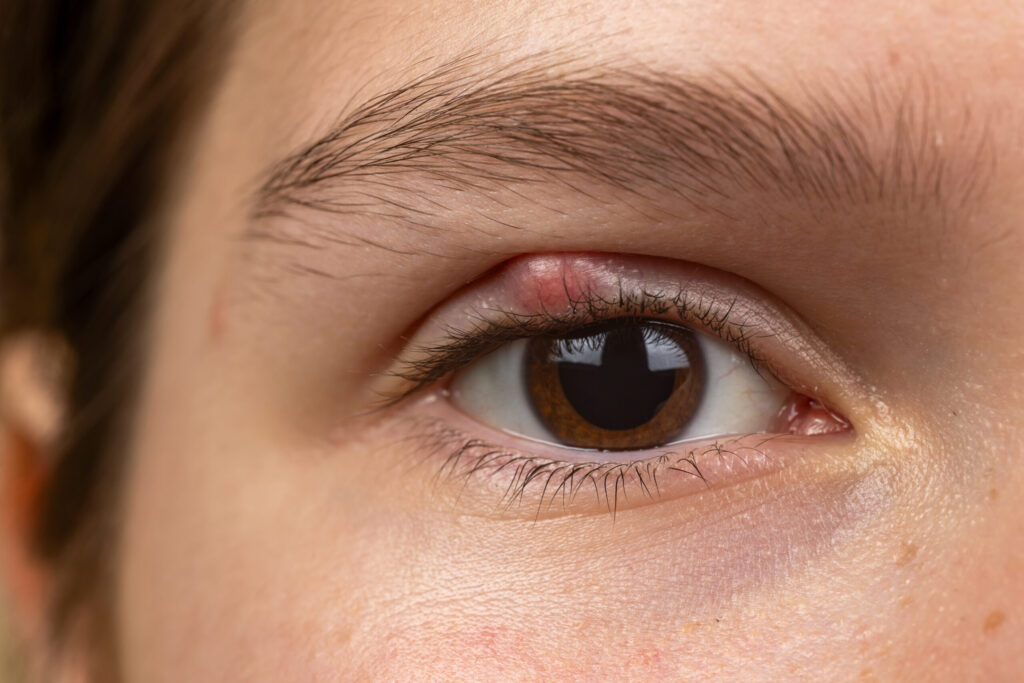

Tea tree oil for Demodex is one of the most searched home remedies for face mites and itchy, irritated eyelids — and one of the most argued-about. Scroll through Reddit threads or eye-doctor videos and you will see everything from “it cured me” to “it made things worse.”
So what is real? This clinician-reviewed guide explains whether tea tree oil actually works against Demodex mites, how to use it without hurting your skin or eyes, and where newer treatments now fit in.
Key takeaways
- Tea tree oil’s anti-mite power comes mostly from one component: terpinen-4-ol.
- It can lower Demodex numbers, but the evidence is mixed and study quality varies.
- Concentrated oil is irritating and risky near the eyes — dilution is essential.
- For eyelids, purified terpinen-4-ol products and the FDA-approved drug lotilaner are now often preferred.
Does tea tree oil actually kill Demodex mites?
Short answer: it can — but it is more accurate to say terpinen-4-ol does. Tea tree oil is a mix of dozens of compounds, and lab studies point to terpinen-4-ol (T4O) as the part with the strongest anti-mite, or acaricidal, effect.
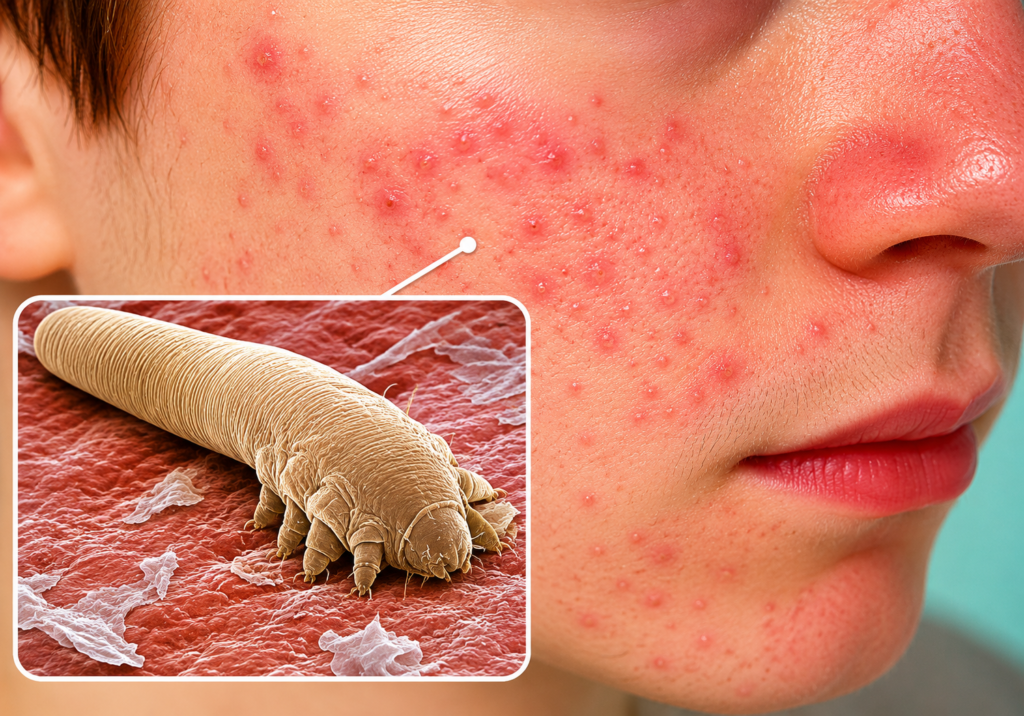
Applied to the skin in diluted scrubs or cleansers, T4O can reach the oily hair follicles where Demodex live and feed. Used consistently, it can bring the number of mites in the follicle down over time.

The catch: “can reduce mites” is not the same as “reliably clears symptoms for everyone.” That is where the research gets complicated.
What the research actually says
Studies on tea tree oil for Demodex are encouraging but uneven. Several found that tea tree oil or T4O lid scrubs reduced mite counts and eased symptoms, while reviews flag small sample sizes and inconsistent methods.
You can browse the underlying studies in our peer-reviewed research library. For a clinical overview of mite-driven eyelid disease, see our complete guide to Demodex blepharitis.
The landscape also shifted in 2023, when the first prescription drug made specifically for Demodex blepharitis — lotilaner — was approved in the United States, giving clinicians a targeted option alongside older remedies. For background, see the Cleveland Clinic overview of Demodex and this clinical treatment summary.
How to use tea tree oil for Demodex safely

If you and your clinician decide to try it, technique matters as much as the product. The goal is enough terpinen-4-ol to bother the mites — without enough raw oil to burn your skin or eyes.
On your face and skin
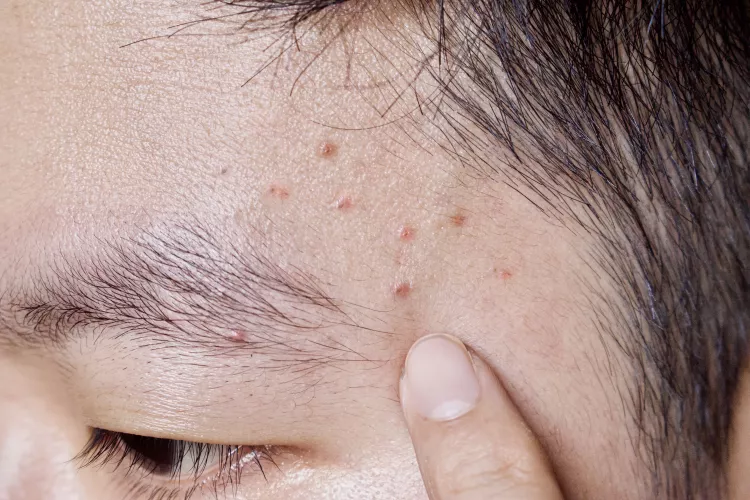
Use a cleanser or cream formulated with tea tree oil or purified T4O rather than dabbing essential oil straight from the bottle. Patch-test first, and stop if you get persistent stinging or a rash.
Around the eyes and eyelashes
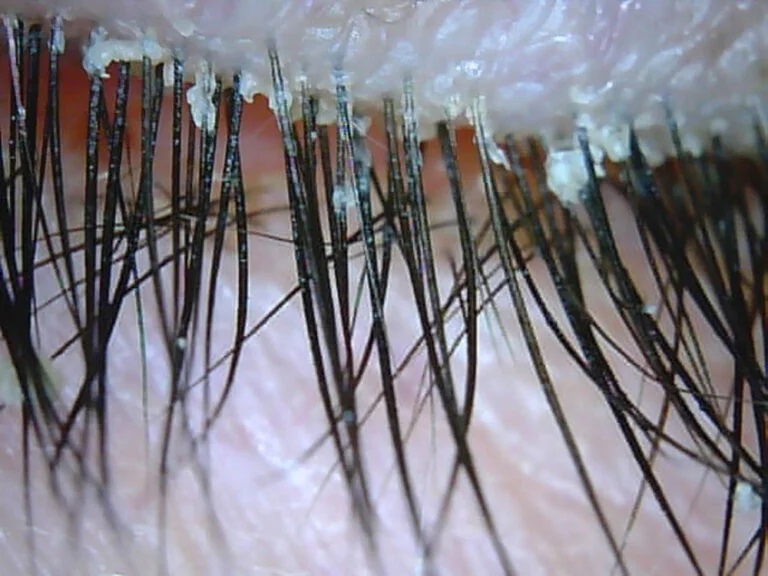
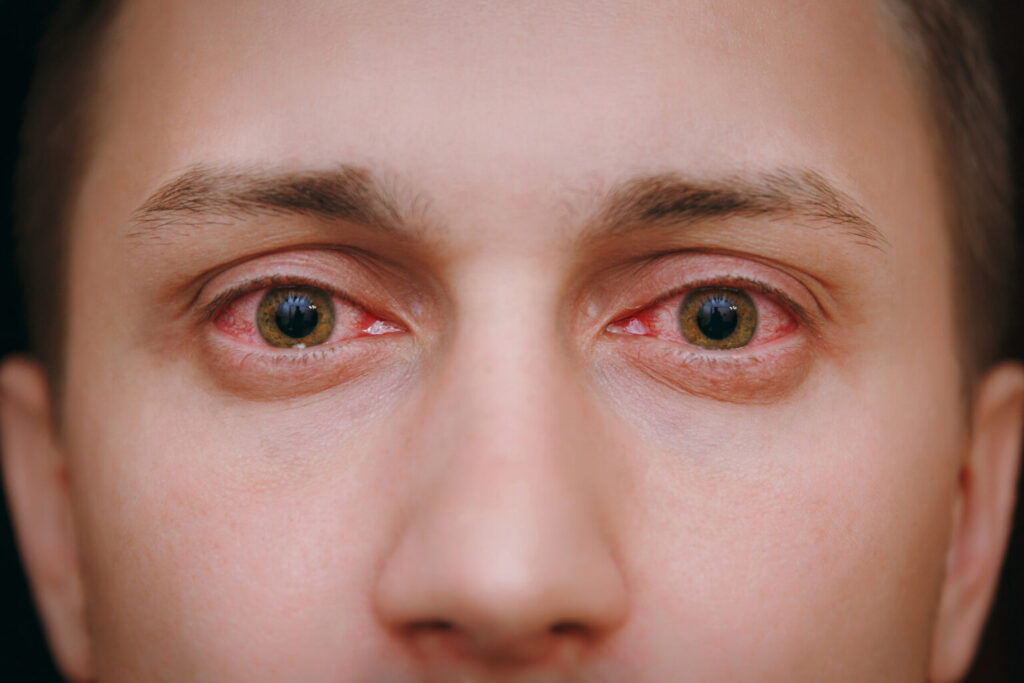
The eye area needs extra caution. Stick to ready-made tea tree or T4O eyelid wipes and scrubs designed for the lash line — never put essential oil directly in or on the eye. If symptoms are stubborn, review our Demodex blepharitis guide and talk to an eye-care provider.
On the scalp and hair
A tea tree shampoo can help reduce mites on the scalp and brows. Leave it on for a few minutes before rinsing, and keep your eyes closed to avoid runoff.
Safety, side effects, and who should avoid it
Tea tree oil is “natural,” but it is not automatically gentle. The most common problems are skin irritation and allergic contact dermatitis — especially with oxidized (old) oil.
- Never swallow tea tree oil; it is toxic if ingested.
- Keep it away from cats and dogs.
- Be cautious if you are pregnant, breastfeeding, or treating a child — ask a clinician first.
- Concentrated oil near the eyes can damage the ocular surface, so any eye-area use should be diluted and careful.
Tea tree oil vs. other Demodex treatments

Tea tree oil is rarely the only option anymore. Purified terpinen-4-ol products try to keep the active ingredient while cutting irritation, and prescription treatments target mites more precisely.
For facial demodicosis linked to rosacea, dermatologists may prescribe topical ivermectin; for eyelid disease, lotilaner is now FDA-approved. Tea tree oil still has a role — often in daily hygiene and maintenance — but it is no longer the whole story.
How long does tea tree oil take to work on Demodex?
Plan in cycles, not days. A single Demodex life cycle runs roughly two to three weeks, and eggs laid deep in the follicle keep hatching.
That is why most regimens run for at least six to eight weeks, paired with washing bedding in hot water to limit re-infestation. Quitting early is the most common reason people think a remedy “failed.”
The bottom line
Verdict: Tea tree oil for Demodex has real, biologically plausible activity thanks to terpinen-4-ol — but it is irritating, inconsistent in studies, and risky if used carelessly near the eyes. Used diluted and patiently, it can be a reasonable part of a plan. For stubborn or eye-related cases, purified T4O products and FDA-approved options are often the smarter next step, ideally with a clinician’s guidance.
Not sure how many mites you’re dealing with?
Take the 2-minute mite-density check to get a personalized starting point.
Frequently asked questions
Can I put tea tree oil directly on my skin for Demodex?
No — undiluted tea tree oil often causes burning and irritation. Use a properly diluted product or purified terpinen-4-ol formula, and patch-test first.
Is tea tree oil safe for eyelash mites?
Only in eye-specific, diluted forms. Never apply essential oil into or directly on the eye; concentrated oil can harm the ocular surface. Eyelid wipes or scrubs made for the lash line are safer.
How often should I use tea tree oil for Demodex?
Most routines use it once or twice daily for at least six to eight weeks to cover several mite life cycles — but always follow the product label and your clinician’s advice.
Does tea tree oil work for Demodex on the face and rosacea?
It may help reduce mites that contribute to rosacea flares, but rosacea is multifactorial. Many dermatologists combine mite-targeting care with prescription options such as topical ivermectin.
Medical disclaimer: This article is for education only and is not a substitute for diagnosis or treatment from a licensed healthcare professional. Talk to a clinician before starting any new treatment, especially around the eyes.