
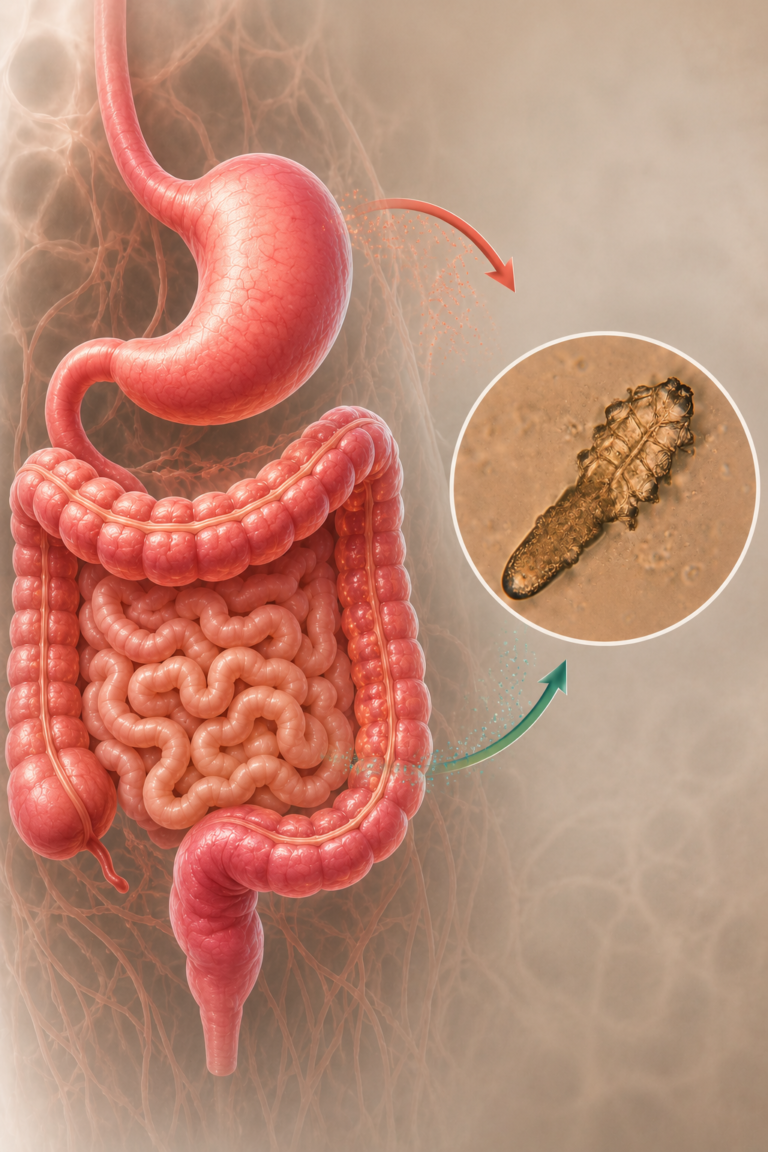
Demodex mites are microscopic parasites that naturally inhabit human skin. Nearly all adults carry small numbers of these mites within hair follicles and sebaceous glands. Under normal circumstances, Demodex mites coexist with their host without causing noticeable symptoms. However, when their population increases excessively, they may become associated with various skin disorders, including rosacea, blepharitis, folliculitis, facial redness, itching, and chronic skin inflammation.
In recent years, researchers have become increasingly interested in the relationship between gut health and skin disease. The concept of the “gut-skin axis” suggests that the digestive system and skin are closely connected through immune, hormonal, and inflammatory pathways. This connection has raised an important question: Can poor gut health and chronic inflammation contribute to Demodex overgrowth?
Understanding the connection between Demodex and Gut Health is crucial for addressing skin disorders related to these mites and their impact on overall health.
Understanding the Gut-Skin Axis
The gastrointestinal tract contains trillions of microorganisms collectively known as the gut microbiome. These bacteria, fungi, and other microbes play essential roles in digestion, vitamin production, immune regulation, and protection against harmful pathogens.
A healthy microbiome helps maintain a balanced immune response. However, when microbial diversity decreases or harmful organisms become dominant, a condition called dysbiosis may develop. Dysbiosis can trigger systemic inflammation, affecting organs far beyond the digestive tract, including the skin.
Researchers now recognize that inflammatory molecules produced in the gut can circulate throughout the body and influence skin health. As a result, gastrointestinal dysfunction may contribute to chronic skin conditions commonly associated with Demodex mites.
How Chronic Inflammation Affects the Skin
Inflammation is a natural defense mechanism designed to protect the body from injury and infection. When inflammation becomes chronic, however, it can damage tissues and disrupt normal biological functions.
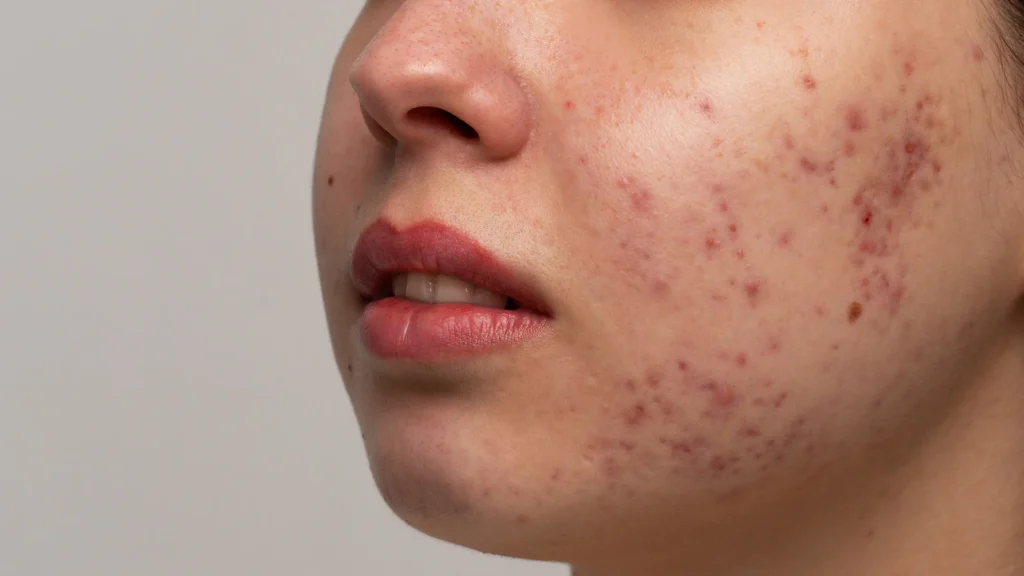
Chronic inflammation may:
- Increase skin sensitivity
- Impair the skin barrier
- Promote redness and flushing
- Increase oxidative stress
- Alter sebum production
- Disrupt normal immune surveillance
- Slow skin healing
These changes may create an environment that allows Demodex populations to expand more easily.

Demodex and Rosacea: A Key Connection
One of the strongest pieces of evidence linking Demodex mites to inflammation comes from rosacea research.
Numerous studies have found significantly higher Demodex densities in individuals with rosacea compared to healthy controls. Rosacea itself is considered an inflammatory skin disorder, and several studies have also identified associations between rosacea and gastrointestinal conditions.
Researchers believe that chronic systemic inflammation may weaken the skin’s ability to regulate Demodex populations, allowing mites to multiply and contribute to worsening symptoms.
Gut Conditions Associated with Chronic Skin Inflammation
Small Intestinal Bacterial Overgrowth (SIBO)
SIBO occurs when excessive bacteria grow in the small intestine. Studies have found a higher prevalence of SIBO among rosacea patients. Some patients experience significant improvements in skin symptoms following successful treatment of SIBO.
Helicobacter pylori Infection
Helicobacter pylori is a bacterium that infects the stomach lining. Although findings remain mixed, several studies have reported links between H. pylori infection and rosacea severity. The bacterium may promote systemic inflammation through immune activation.
Irritable Bowel Syndrome (IBS)
IBS is frequently associated with altered gut microbiota and low-grade inflammation. Individuals with IBS often report concurrent skin disorders, suggesting a shared inflammatory pathway.
Inflammatory Bowel Disease (IBD)
Crohn’s disease and ulcerative colitis involve chronic inflammation of the digestive tract. These conditions are associated with various skin manifestations and demonstrate how intestinal inflammation can affect distant tissues.
The Role of “Leaky Gut”
The intestinal lining normally acts as a protective barrier that prevents harmful substances from entering the bloodstream.
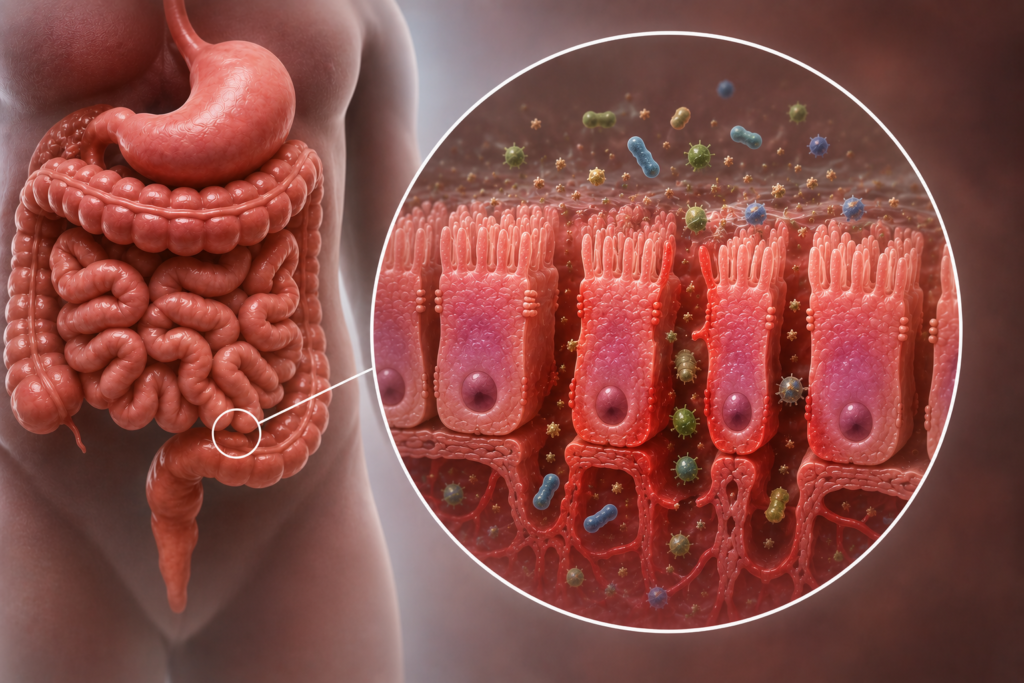
When this barrier becomes compromised, a condition commonly referred to as increased intestinal permeability or “leaky gut” bacterial components and inflammatory molecules may pass into circulation.
This can trigger:
- Systemic inflammation
- Immune dysregulation
- Increased oxidative stress
- Worsening skin symptoms
Although research is ongoing, some scientists believe increased intestinal permeability may contribute to inflammatory skin disorders associated with Demodex overgrowth.
Nutrition and Demodex-Related Inflammation
Diet may influence both gut health and inflammatory processes.
Foods that may support gut and skin health include:
- High-fiber vegetables
- Leafy greens
- Berries
- Whole grains
- Fermented foods
- Legumes
- Omega-3-rich fish
- Nuts and seeds
Meanwhile, excessive consumption of highly processed foods, refined sugars, and trans fats may contribute to inflammatory pathways linked to poor skin health.
Can Improving Gut Health Reduce Demodex Symptoms?
Improving gut health is not a direct treatment for Demodex infestation. However, many dermatologists and researchers believe that reducing systemic inflammation may help create a healthier skin environment.
Potential benefits of supporting gut health include:
- Better immune regulation
- Reduced inflammatory burden
- Improved skin barrier function
- Reduced rosacea flare-ups
- Better overall skin resilience
When combined with appropriate Demodex treatments, gut-health strategies may provide additional support for individuals experiencing chronic skin inflammation.
Practical Steps to Support the Gut-Skin Axis
To promote both gut and skin health:
- Eat a diverse, fiber-rich diet.
- Limit excessive sugar and processed foods.
- Include fermented foods when tolerated.
- Stay physically active.
- Prioritize quality sleep.
- Manage chronic stress.
- Stay hydrated.
- Seek medical evaluation for persistent gastrointestinal symptoms.
Conclusion
The relationship between Demodex mites and gut health is an emerging area of research. Although gut dysfunction does not directly cause Demodex infestation, chronic inflammation, microbial imbalance, and immune dysregulation may contribute to conditions that allow Demodex populations to thrive. By supporting gut health and reducing systemic inflammation, individuals may improve overall skin health and potentially reduce factors associated with Demodex-related skin problems.
References
- Wang FY, Chi CC. Rosacea, Germs, and Bowels: A Review on Gastrointestinal Comorbidities and Gut–Skin Axis of Rosacea.
- Searle T, Ali FR, Al-Niaimi F. Rosacea and the Gastrointestinal System.
- Zhu W, Wang B. Role of the Skin Microbiota and Intestinal Microbiome in Rosacea.
- Rather PA, Hassan I. Human Demodex Mite: The Versatile Mite of Dermatological Importance.
- Cleveland Clinic – Demodex (Face Mites)


