Introduction
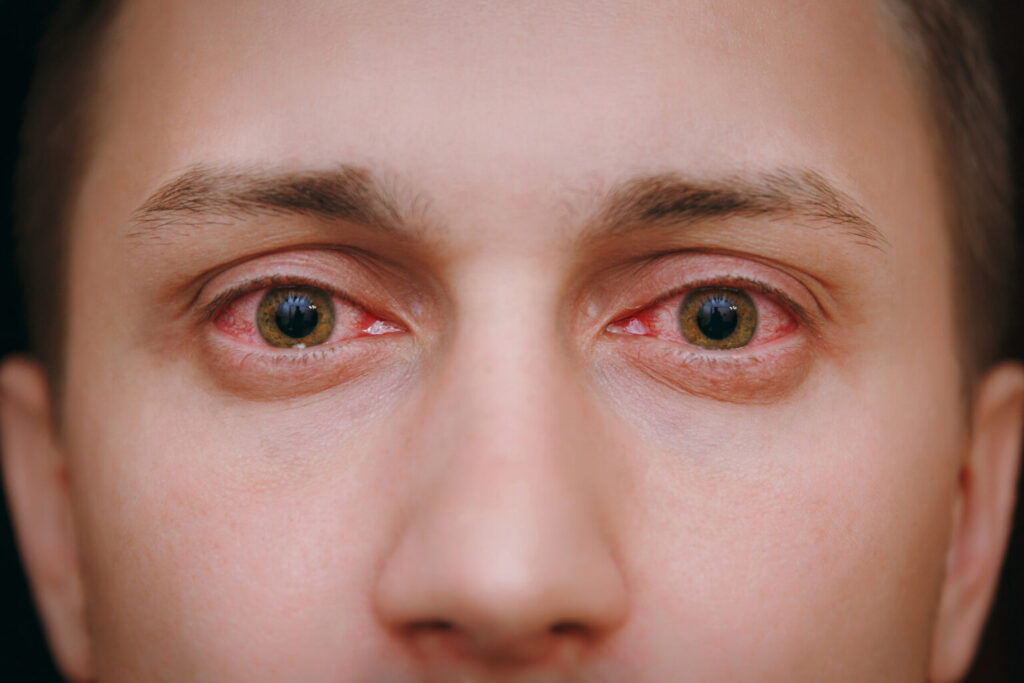
Demodex and Dry Eye are closely connected conditions that can significantly affect eye comfort and vision quality. Many patients with chronic dry eye symptoms may also have an underlying Demodex infestation. Dry eye disease affects millions of people worldwide, causing symptoms such as burning, irritation, redness, and blurred vision. While many factors can contribute to dry eyes, one often-overlooked cause is an infestation of Demodex mites. These microscopic parasites naturally live on human skin and eyelashes, but when their population increases, they can significantly impact eye health and contribute to chronic dry eye symptoms.
What Are Demodex Mites?
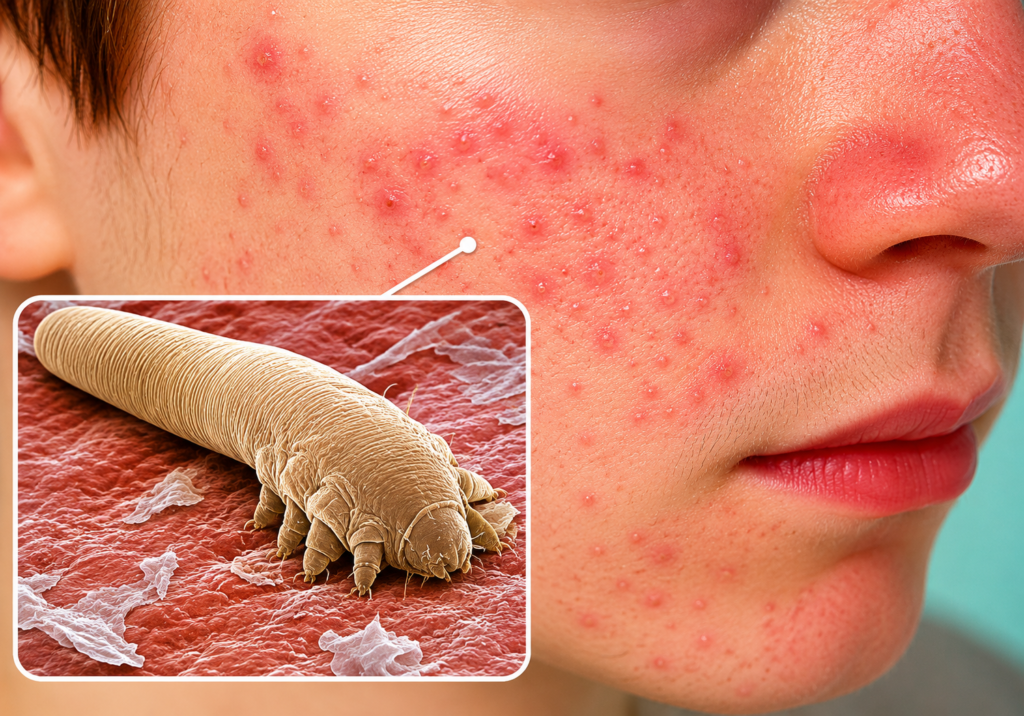
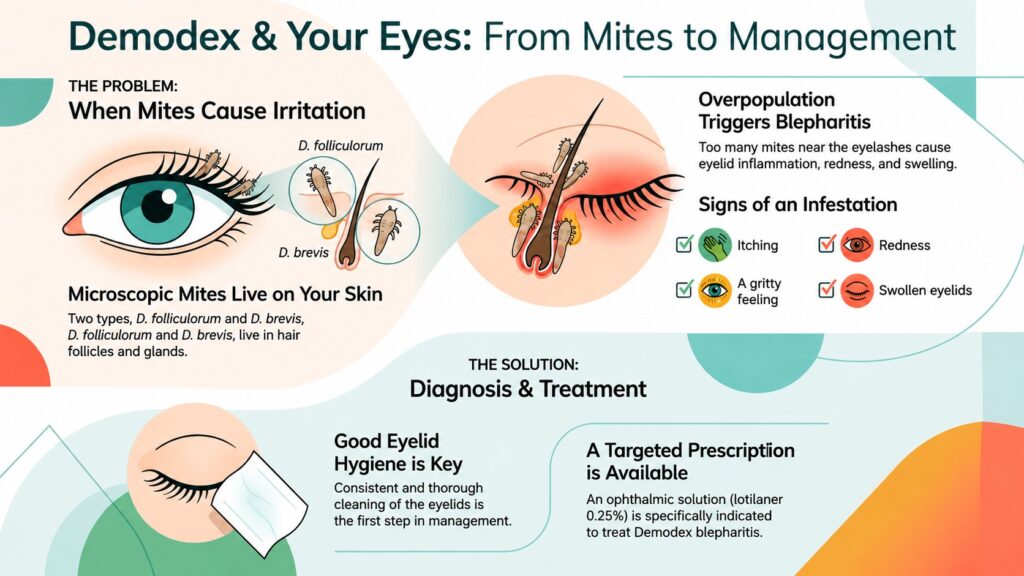
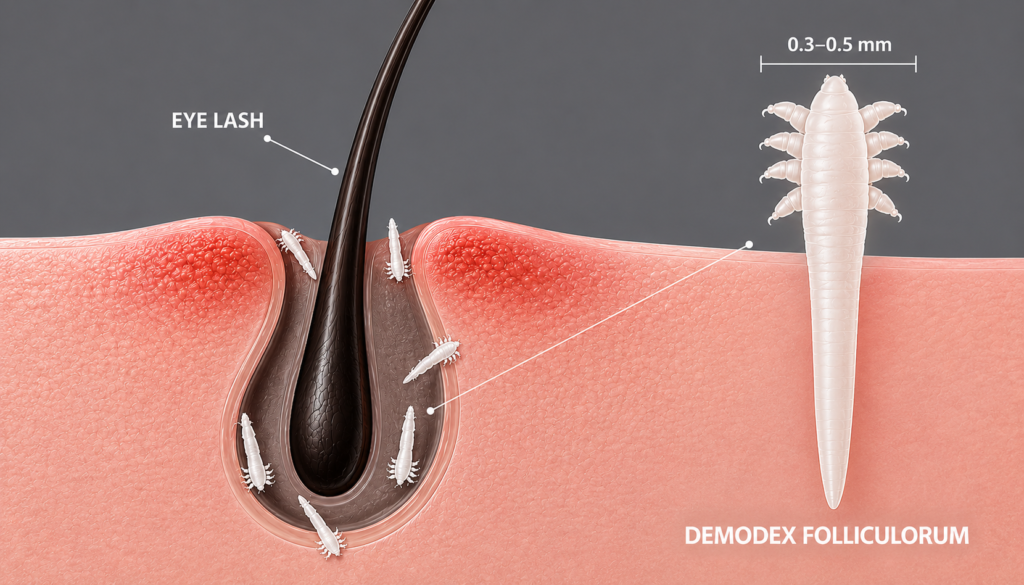
Demodex mites are tiny parasites that inhabit hair follicles and sebaceous glands. Two species are commonly found on humans:
- Demodex folliculorum – primarily found in eyelash follicles.
- Demodex brevis – inhabits the meibomian and sebaceous glands.
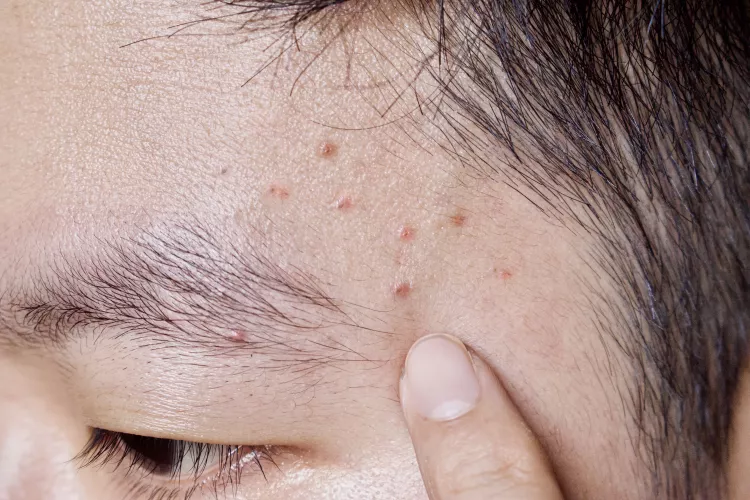
Although Demodex mites are a normal part of the skin microbiome, excessive numbers can lead to inflammation and various ocular surface disorders.
How Demodex Contributes to Dry Eye
1. Meibomian Gland Dysfunction (MGD)
The meibomian glands produce oils that prevent tears from evaporating too quickly. Demodex brevis can invade these glands, causing blockage and inflammation. As a result, the tear film becomes unstable, leading to evaporative dry eye.
2. Eyelid Inflammation
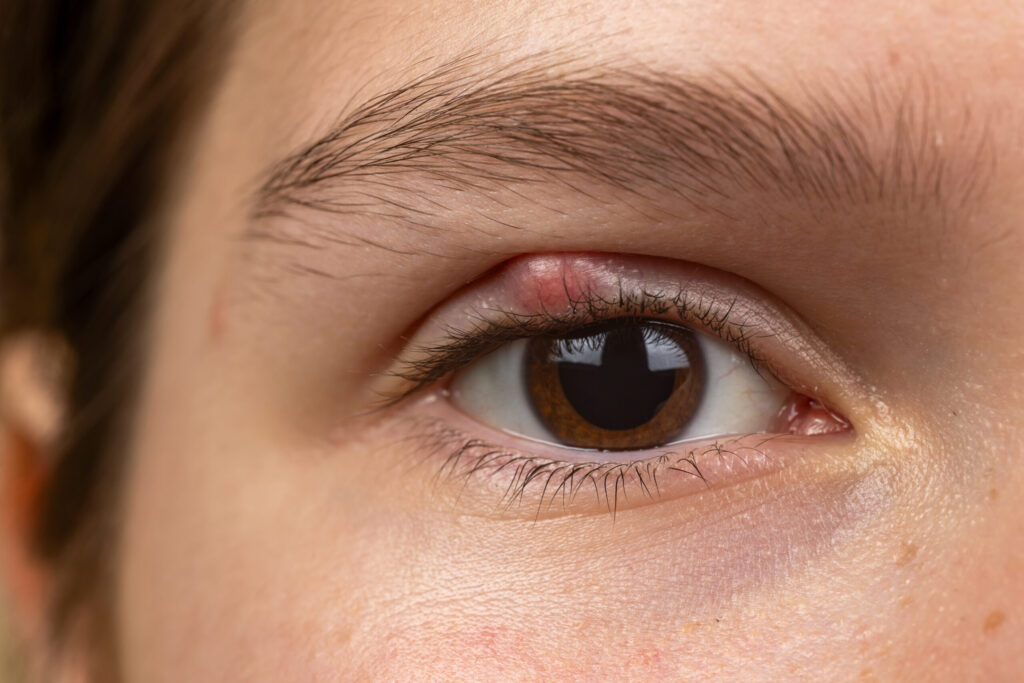
Demodex mites can trigger chronic inflammation of the eyelid margins, a condition known as blepharitis. Inflamed eyelids disrupt normal tear production and distribution, worsening dry eye symptoms.
3. Bacterial Transmission
Demodex mites may carry bacteria and other microorganisms on their surface. These microbes can contribute to ocular surface irritation and inflammation, further aggravating dry eye disease.
4. Damage to the Tear Film
Inflammation caused by Demodex infestation can alter the quality of the tear film, reducing its ability to protect and lubricate the eye.
Common Symptoms
Individuals with Demodex-related dry eye may experience:
- Dryness and irritation
- Burning or stinging sensations
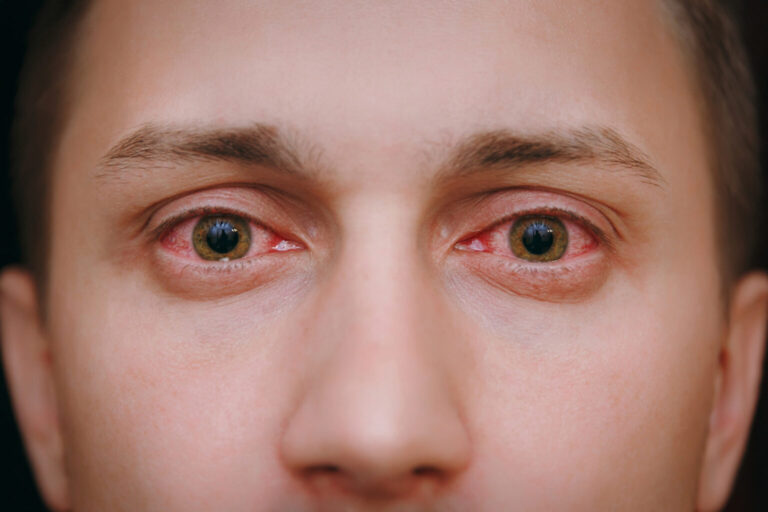
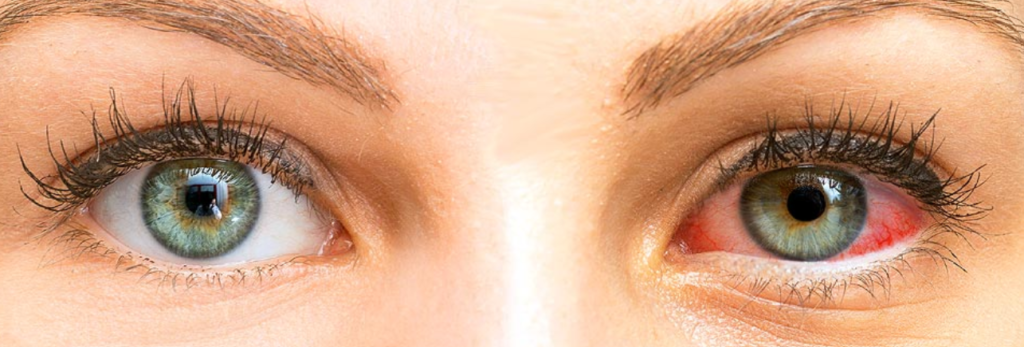
- Red eyes
- Itchy eyelids
- Foreign body sensation
- Blurred vision
- Excessive tearing
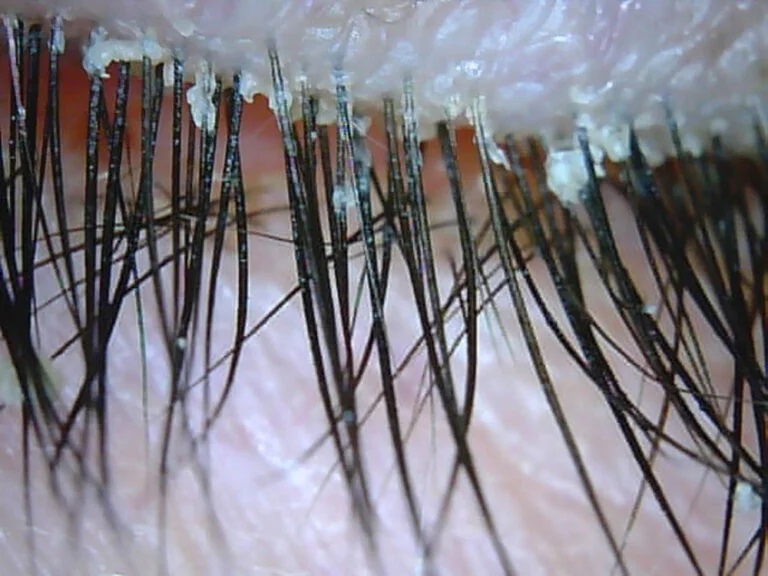
- Crusts or debris at the base of the eyelashes
One characteristic sign is the presence of cylindrical dandruff around the eyelashes, which is strongly associated with Demodex infestation.
Risk Factors
Several factors may increase the likelihood of Demodex overgrowth:
- Aging
- Poor eyelid hygiene
- Rosacea
- Weakened immune function
- Chronic blepharitis
- Contact lens wear
Diagnosis
Eye care professionals can diagnose Demodex infestation through:
- Slit-lamp examination
- Evaluation of eyelash debris
- Microscopic examination of epilated eyelashes
- Assessment of meibomian gland function
Early diagnosis is important because Demodex-related dry eye often persists despite conventional artificial tear treatment alone.
Treatment Options
Eyelid Hygiene
Regular cleaning of the eyelid margins helps reduce debris and mite populations.
Tea Tree Oil-Based Treatments
Tea tree oil and its active component, terpinen-4-ol, have demonstrated effectiveness against Demodex mites and are commonly used in eyelid cleansers.
Artificial Tears
Lubricating eye drops can provide temporary relief from dryness and discomfort.
Management of Meibomian Gland Dysfunction
Warm compresses and gland expression therapies may help restore normal oil secretion and improve tear film stability.
Professional Eye Care
Patients with persistent symptoms should consult an eye care professional for a comprehensive evaluation and personalized treatment plan.
Prevention Tips
To reduce the risk of Demodex-related dry eye:
- Maintain good eyelid hygiene
- Remove eye makeup thoroughly
- Replace old eye cosmetics regularly
- Wash bedding frequently
- Avoid sharing eye makeup products
- Schedule routine eye examinations
The relationship between Demodex and Dry Eye is becoming increasingly recognized by eye care professionals. Many patients with Demodex and Dry Eye experience persistent irritation, redness, and eyelid inflammation. Early diagnosis of Demodex and Dry Eye can help improve treatment outcomes and reduce long-term discomfort. Understanding the connection between Demodex and Dry Eye is essential for effective management of ocular surface health.
Conclusion
Demodex mites are an often-overlooked contributor to dry eye disease. By causing eyelid inflammation, meibomian gland dysfunction, and tear film instability, these microscopic parasites can significantly impact ocular comfort and vision quality. Recognizing the signs of Demodex infestation and seeking appropriate treatment can help improve dry eye symptoms and support long-term eye health.
References
1. Demodex Blepharitis: Clinical Perspectives
2. Pathogenic Role of Demodex Mites in Blepharitis
3. Demodex Blepharitis: A Comprehensive Review of the Disease, Current Management, and Emerging Therapies
4. Multiple Eyelid Signs are Suggestive of Demodex Infestation
5. Quantitative Analysis of the Bacteria in Blepharitis With Demodex Infestation