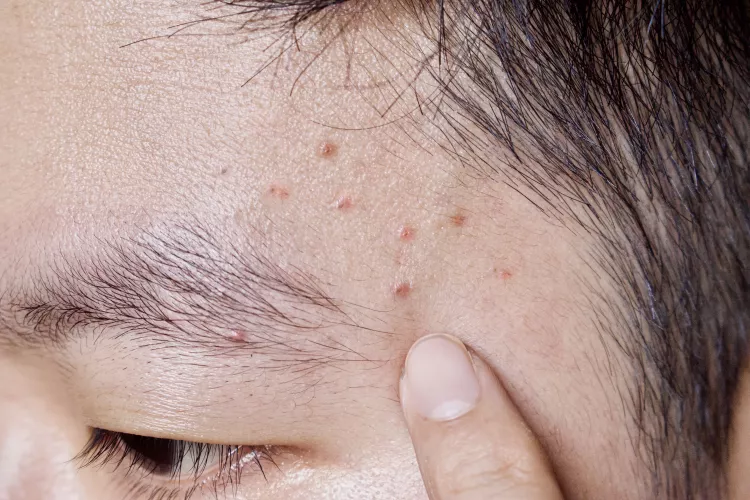
Demodex Back Folliculitis is a condition that may occur when Demodex mites contribute to inflammation of hair follicles on the back. Back folliculitis is a frustrating skin condition that affects millions of people worldwide. It is characterized by inflamed hair follicles that appear as red bumps, pustules, or acne-like lesions on the back.
While bacterial infections are often blamed for folliculitis, they are not the only possible cause. In some cases, an overgrowth of Demodex mites may contribute to persistent inflammation and recurring symptoms that fail to respond to conventional treatments. Understanding Demodex Back Folliculitis can lead to more effective treatment options.
Understanding the relationship between Demodex and back folliculitis can help patients seek more targeted treatment and achieve better long-term results. By addressing the issue of Demodex Back Folliculitis head-on, patients can pursue targeted therapies and achieve lasting relief.
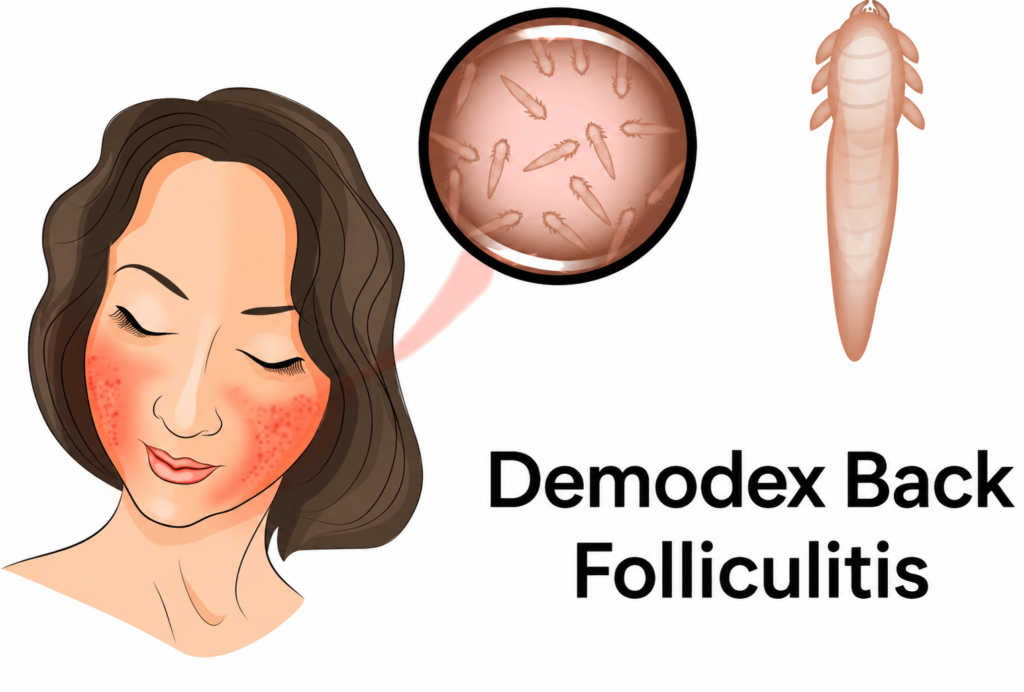
Demodex Back Folliculitis can be particularly troublesome, and understanding its causes is essential for effective management. Many patients suffering from Demodex Back Folliculitis report symptoms that can significantly impact their quality of life.
What Is Demodex Back Folliculitis?
Folliculitis occurs when hair follicles become inflamed due to infection, irritation, blockage, or immune system reactions. The back is particularly vulnerable because it contains a large number of hair follicles and sebaceous glands that can become clogged by sweat, oil, and dead skin cells. Back folliculitis may develop suddenly or become a chronic condition that repeatedly returns despite treatment.
Common Symptoms of Back Folliculitis
- Red, inflamed bumps
- Small pus-filled lesions
- Itching and irritation
- Burning sensations
- Skin tenderness
- Clusters of acne-like spots
- Dark spots or scarring after healing
- Recurrent outbreaks
The severity of symptoms can vary from mild irritation to widespread inflammation covering large portions of the back.
What Is Demodex?
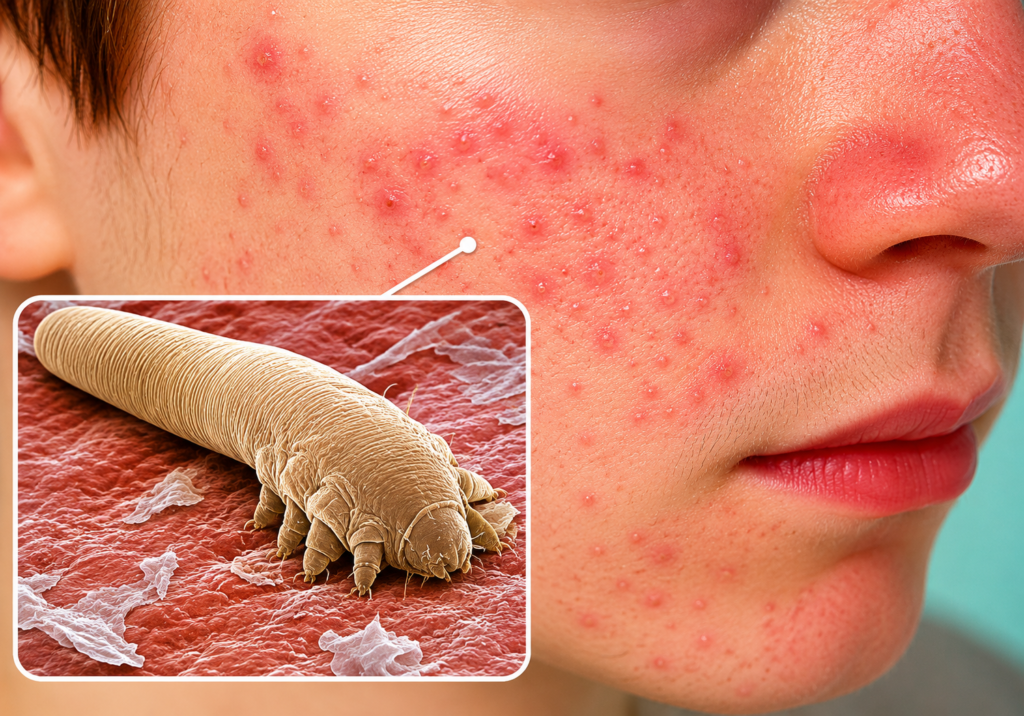
Demodex mites are microscopic parasites naturally found on human skin. The two most common species are:
Demodex folliculorum
Maintaining proper treatment for Demodex Back Folliculitis is essential to reduce inflammation and symptoms effectively. This species primarily inhabits hair follicles and feeds on dead skin cells and oils.
Demodex brevis
Understanding the nuances of Demodex Back Folliculitis can empower individuals to seek the right medical advice and treatment. Recognizing the signs of Demodex Back Folliculitis is crucial for timely intervention and management.
This species lives deeper within sebaceous glands and may contribute to gland dysfunction and inflammation. Most people carry small numbers of Demodex mites without experiencing symptoms. Problems arise when mite populations increase beyond normal levels.
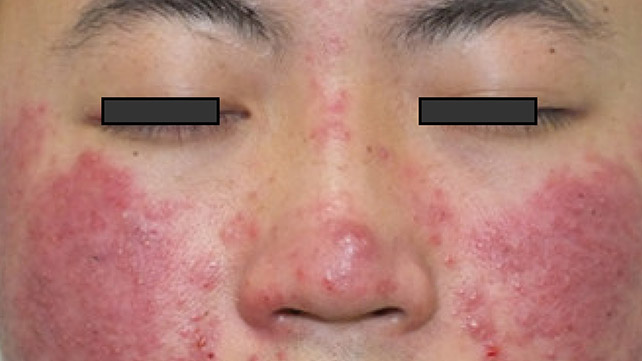
How Demodex Can Trigger Follicular Inflammation
Researchers believe several mechanisms may explain the connection between Demodex and folliculitis.
1. Mechanical Irritation
Large numbers of mites occupying hair follicles can physically irritate the follicular walls, leading to inflammation and redness.
2. Immune Response Activation
The body’s immune system may react to mite proteins, waste products, or decomposing mites, resulting in chronic inflammation. In cases of Demodex Back Folliculitis, the immune response can exacerbate inflammation, making symptoms more pronounced.
3. Increased Bacterial Load
Demodex mites may carry bacteria on their surfaces. These bacteria can contribute to inflammatory reactions and worsen existing skin conditions.
4. Disruption of Normal Skin Function
Overgrowth of Demodex may alter the balance of the skin microbiome and contribute to follicular dysfunction.
Signs That Demodex May Be Involved
Certain clues may suggest that Demodex plays a role in back folliculitis.
Persistent Symptoms
Folliculitis that continues despite antibiotic treatment may indicate a non-bacterial cause.
Significant Itching
Many patients with Demodex-related conditions report intense itching that may worsen during the evening.
Moreover, those experiencing persistent symptoms of Demodex Back Folliculitis should consult a dermatologist for specialized treatment.
Recurrent Flare-Ups
Effective management of Demodex Back Folliculitis often involves a combination of therapies tailored to individual needs. Symptoms often improve temporarily before returning repeatedly.
Coexisting Facial Symptoms
Understanding how to manage Demodex Back Folliculitis can help prevent future flare-ups and improve skin health. Individuals with facial rosacea, Demodex blepharitis, or facial Demodex infestation may be more likely to experience Demodex-related follicular inflammation elsewhere on the body.
Risk Factors for Demodex Overgrowth
Several factors may increase the likelihood of Demodex proliferation:
- Excessively oily skin
- Rosacea
- Aging
- Chronic skin inflammation
- Compromised immune function
- Poor skin hygiene
- Increased sebum production
These factors can create an environment that supports larger mite populations.
Diagnosing Demodex-Related Back Folliculitis
Because Demodex mites are invisible to the naked eye, diagnosis usually requires professional evaluation. Dermatologists may use:
Skin Scraping
Samples from affected areas can be examined under a microscope to identify mites.
Dermoscopy
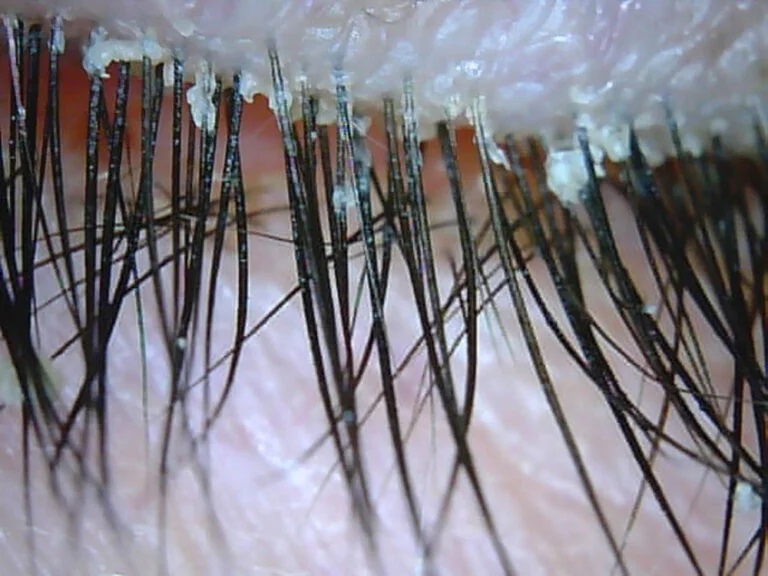
Magnified imaging may reveal characteristic signs associated with Demodex infestation.
Microscopic Examination
Direct visualization of mites remains one of the most reliable diagnostic methods.
Clinical Assessment
A dermatologist will also evaluate symptoms, medical history, and response to previous treatments.
Treatment Options
Treatment of Demodex Back Folliculitis may include proper hygiene measures and targeted therapies to reduce mite populations. Successful treatment depends on identifying the underlying cause.
Improved Skin Hygiene
Regular cleansing helps remove excess oil and debris that may support mite populations.
Tea Tree Oil-Based Products
Tea tree oil and its active component, terpinen-4-ol, have demonstrated activity against Demodex mites and are commonly used in anti-Demodex skincare products.
Topical Treatments
Dermatologists may recommend specialized topical therapies to reduce mite density and inflammation.
Managing Underlying Skin Conditions
Treating rosacea, seborrheic dermatitis, or excessive oil production may help reduce recurrence.
Professional Dermatologic Care
Persistent folliculitis should always be evaluated by a healthcare professional to ensure accurate diagnosis and appropriate treatment.
Prevention Strategies
Although Demodex mites are a normal part of human skin, several practices may help reduce the risk of overgrowth:
- Shower after excessive sweating
- Keep bedding clean
- Avoid sharing towels
- Maintain regular skin hygiene
- Manage oily skin conditions
- Seek early treatment for recurring skin irritation
Conclusion
Understanding Demodex Back Folliculitis can help patients identify the cause of recurring follicular inflammation and seek appropriate treatment. Back folliculitis is not always caused by bacteria. In some individuals, Demodex mites may contribute to chronic inflammation, itching, and recurrent follicular outbreaks. When symptoms fail to respond to standard treatments, evaluation for Demodex infestation may be warranted. Proper diagnosis and targeted management can help improve skin health and reduce recurring flare-ups.